Why Might Room Temperature Superconductivity Be Useful to Discover
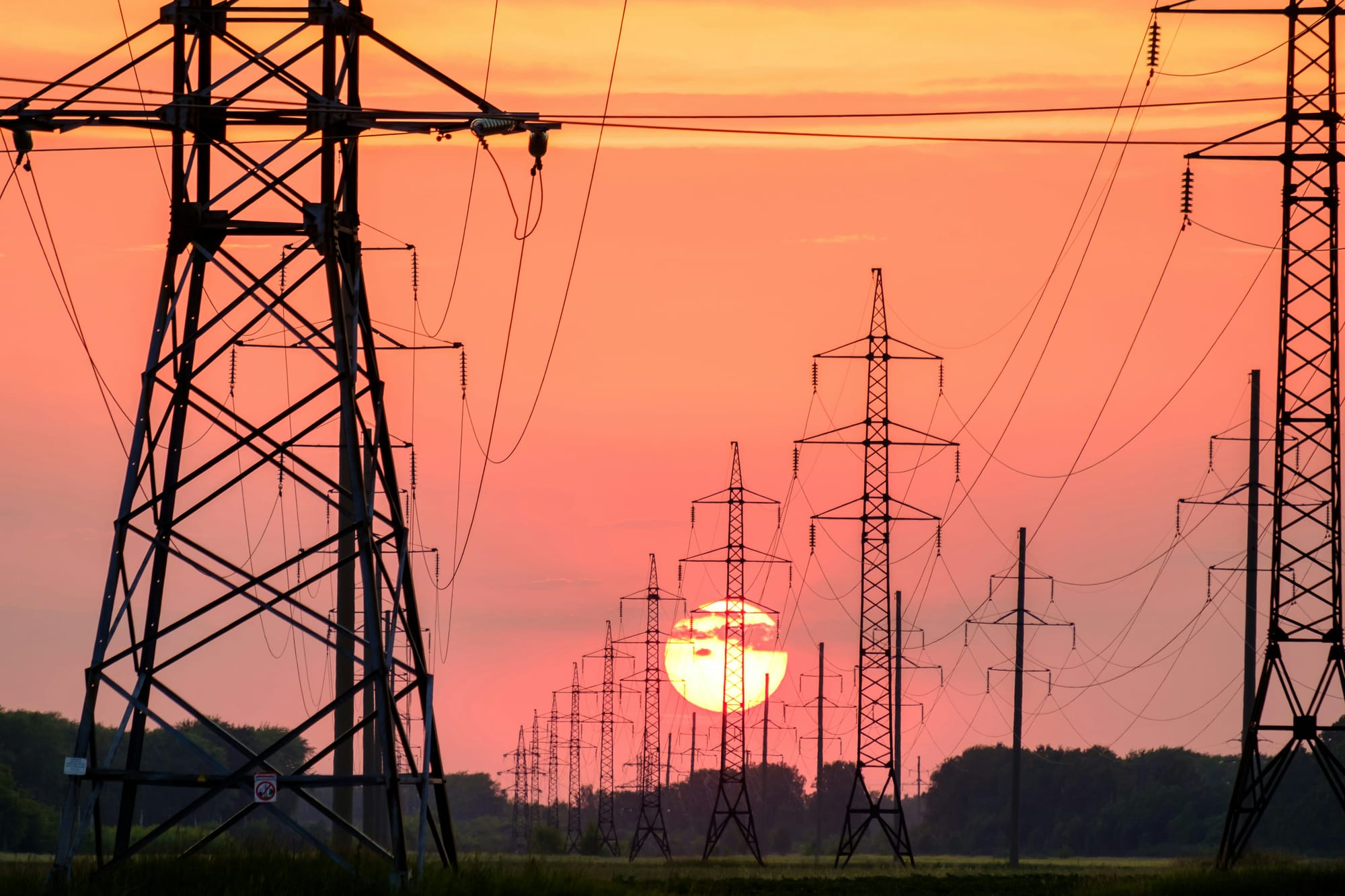
Almost all modern civilisations depend on electricity, so we naturally ask, "How can we produce more sustainable energy?" But we rarely stop to consider how much of that energy is quietly wasted — and it's more than you might think. Every year, more than 7% of the electricity we generate is lost while travelling through the national grid. This loss is due to resistance in the wires, and it wastes enough energy to power more homes than London, Manchester and Birmingham combined. Reducing these losses would not only save large amounts of energy but would also reduce the need for energy production, lowering the demand for fossil fuels and decreasing greenhouse-gas emissions. The question then becomes: how can we stop losing so much energy? The most promising answer is superconductors.
What Is Superconductivity?
Superconductivity is a property of certain materials that lets electricity flow with zero resistance — unlike a normal wire, no energy is lost as heat. Resistance in regular wires makes electricity struggle to move, as if it were running through waist-high water; that friction causes wires to warm up and lose energy. The catch is that superconductivity today is only possible at very low temperatures (far colder than everyday conditions) or at extremely high pressures. Some superconductors are also sensitive to strong magnetic fields, which limits how they can be used in practical systems. For these reasons, most superconductors are currently confined to laboratory conditions.
How Superconductivity Works
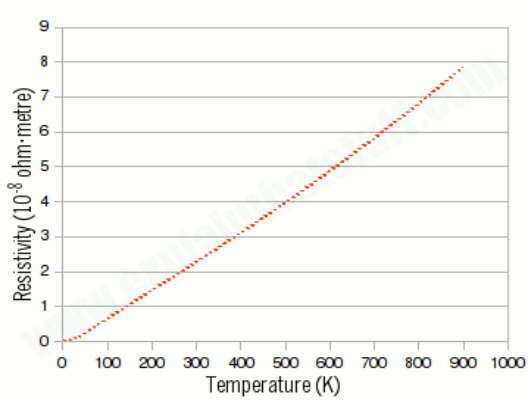
At present, we achieve superconductivity by cooling certain materials until their electrons act in a highly organised way. Without that cooling, electrons collide with atoms as they move and those collisions cause electrical resistance. In a superconductor, electrons pair up and move coherently through the material without scattering; because they do not deviate, there is effectively no resistance and thus no energy lost as heat.
The Barriers to Widespread Use
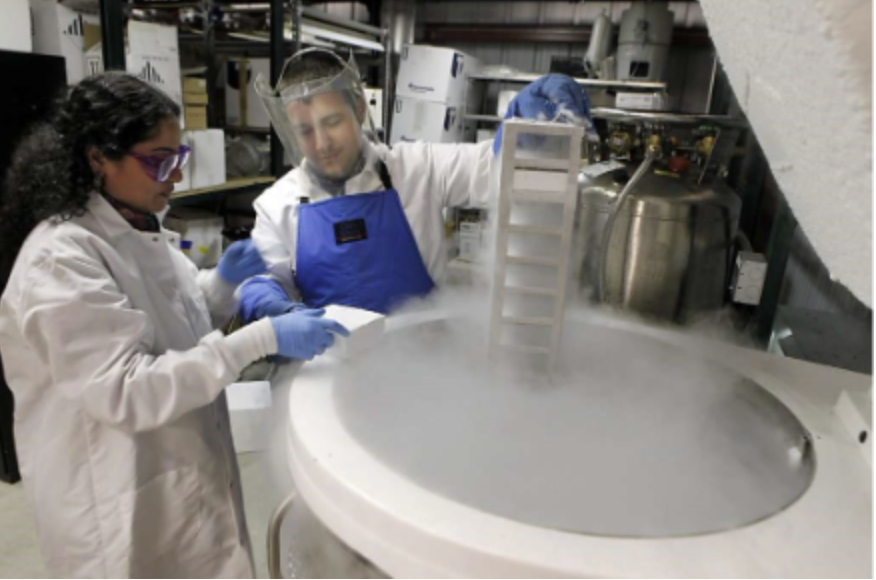
Unfortunately, the extreme requirements for superconductivity make it economically infeasible for general use. The temperatures and pressures required are the main barrier to turning superconductivity into a world-changing technology. There are, however, several technical challenges that must be solved before superconductors can be used widely:
Operating temperature. Superconductors must work around typical room temperatures (about 20–25 °C) so we can avoid expensive cryogenic cooling.
Environmental stability. They should tolerate normal atmospheric pressure and air exposure and remain stable over long periods without degrading.
Magnetic tolerance. Real systems contain strong magnets (for example, in motors and generators). Superconductors used in the grid must tolerate such fields.
Form factor and mechanical robustness. Superconductors need to be manufacturable as high current-carrying wires or tapes that withstand bending and vibration so they can be integrated into existing electricity systems.
Once these barriers are overcome, superconductors could move beyond laboratories and become a technology that remakes how we generate, transport, and use energy.
The Potential Impact
Discovering feasible room-temperature superconductivity would affect many parts of life. Near-zero transmission losses would reduce overall energy demand and ease reliance on fossil fuels. The energy saved by removing resistance has been estimated to be comparable to the output of roughly 300 oil-fired power stations — cutting greenhouse-gas emissions by several percent and helping to limit climate change. Less wasted energy would also lower electricity costs, reduce business operating expenses, and cut living costs. Economically, a practical superconductor industry could spawn new sectors and be especially valuable in countries with ageing or weak grid infrastructure.
Superconductors and Transport
Superconductivity also has implications for transport. One clear example is magnetic-levitation (maglev) trains: some maglev systems already rely on superconductors, but their need for cryogenic cooling makes them expensive to build and maintain. Superconductors can carry very large currents with zero resistance, allowing them to create strong magnetic fields more efficiently than ordinary electromagnets. Room-temperature superconductors would let maglev trains operate without costly cooling systems, making them faster, cleaner, and more energy-efficient than conventional trains. More efficient electric motors would also increase range and lifetime for electric vehicles and could eventually be applied to larger transport modes such as ships and possibly aircraft.
Superconductors and Computing
Finally, superconductors could transform computing. Heat is currently a major limit on computer speed and scale; superconducting circuits would remove much of that heat generation, enabling faster, smaller, and more energy-efficient devices. They could also increase data-transmission rates while using less power. The examples above are only a fraction of the potential: at full maturity, superconductors could become an essential part of everyday infrastructure.
Conclusion
To conclude, discovering affordable, room-temperature superconductivity would turn superconductors from a laboratory curiosity into a breakthrough technology that could reshape the twenty-first century. Benefits would be felt worldwide, from advanced computing to efficient grids and appliances. With reduced demand for energy, room-temperature superconductors would significantly improve planetary sustainability for future generations. That said, many scientific and engineering challenges remain, and there is still a long way to go before this technology becomes widespread.
Bibliography
"Cracking the Mystery of Perfect Efficiency: Investigating Superconductors." U.S. Department of Energy, Accessed 13 Mar. 2026.
"DOE Explains: Superconductivity." U.S. Department of Energy, Accessed 13 Mar. 2026.
"Losses." National Grid, Accessed 13 Mar. 2026.
Lundy, D. R., et al. "A Brief Review of Recent Superconductivity Research at NIST." Journal of Research of the National Institute of Standards and Technology, vol. 94, no. 3, 1989, pp. 147–178.
Maxwell, Emanuel. "Isotope Effect in the Superconductivity of Mercury." Physical Review, vol. 78, no. 4, 1950, p. 477.
"Revolutionizing Transportation: The Role of Superconductors in Magnetic Levitation Trains." Diverse Daily, Accessed 13 Mar. 2026.
Ritchie, Hannah, et al. "Energy Production and Consumption." Our World in Data, 2020, Archived 19 Jan. 2026.
Roser, Max. "The World's Energy Problem." Our World in Data, 2020, Archived 19 Jan. 2026.
"Superconductivity." Basic Energy Sciences at 40, U.S. Department of Energy, Accessed 13 Mar. 2026.
"Superconductivity." CERN, Accessed 13 Mar. 2026.
"Superconductivity." Wikipedia, Accessed 13 Mar. 2026.