The Story Behind The COVID-19 Vaccine
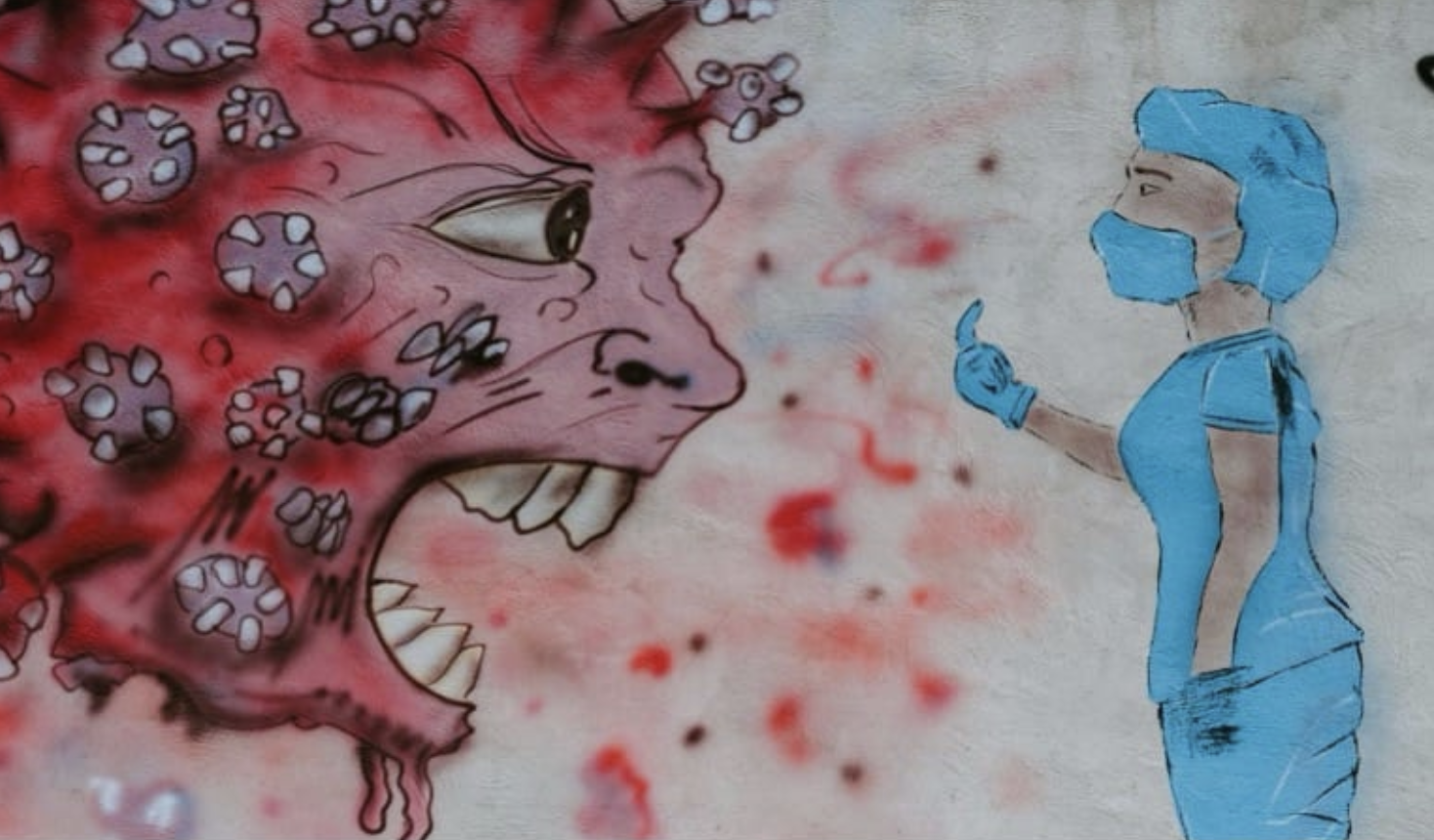
- The Global Emergence of COVID-19
In the dying weeks of 2019, through the early months of 2020, the world changed with a startling speed. A cluster of unexplained ‘pneumonia’ cases in Wuhan, the provincial capital of Hubei, China, evolved into a global crisis that would disrupt nearly every aspect of modern life. Within months, the virus responsible — COVID-19 — had spread to every continent except Antarctica; its loud effect carried silently by human movement, international travel, and the biological efficiency of viral transmission.
Scientists identified the pathogen as a novel coronavirus, SARS-CoV-2, whose ability to spread before symptoms appeared made containment extraordinary difficult. The first to publicly share the SARS-CoV-2 genome sequence were Chinese virologist Zhang Yongzhen, from Fudan University and Shanghai Public Health Clinical Center, in collaboration with Edward Holmes, from the University of Sydney. Immediately after their publication on the platform Virological.org on the 11th of January 2020, vaccine research initiatives started. On the 11th of March 2020, the World Health Organisation officially declared a pandemic. Hospitals in major cities became overwhelmed, economies slowed dramatically, and billions of people entered lockdowns. The scale and speed of the outbreak created an urgent need for a scientific solution. Vaccines, traditionally developed over many years, suddenly became humanity’s most critical hope.
- How Regular Vaccines Work: Training the Immune System to Fight Disease
Vaccines operate by harnessing the body’s natural defence system: the immune system. When a pathogen such as a virus enters the body, it is recognised as foreign by specialised white blood cells. These include B lymphocytes, which produce antibodies, and T lymphocytes, which help destroy infected cells. Antibodies bind to and neutralise pathogens, helping the body to eliminate them. As part of the adaptive immune response, the body forms memory cells. These are specialised, long-lived immune cells that remember specific pathogens, enabling a faster and stronger response upon re-exposure to the same pathogen in future infections. Traditional vaccines introduce to the body a harmless version of these pathogens, often in the form of weakened or inactivated viruses, allowing the immune system to create memory cells without causing illness.
- mRNA Technology and The Science behind the COVID-19 Vaccine
Unlike regular vaccines, most COVID-19 vaccines rely on messenger mRNA, a technology that has actually been under development for decades prior to the coronavirus pandemic. mRNA is a molecule consisting of synthetic genetic instructions from DNA to a cell’s protein-making machinery. These instructions temporarily direct cells to produce harmless protein fragments of a pathogen, which teaches the immune system to recognise it for attack in case of future infection. The COVID-19 mRNA vaccines, such as those developed by Pfizer-BioNTech and Moderna, work by delivering mRNA that codes for the spike protein found on the surface of SARS-CoV-2. This approach differs fundamentally from other vaccines. Instead of introducing a weakened, or deactivated antigen directly, the body is stimulated to manufacture it internally. This method allows for significantly faster vaccine development for new pathogens or variants, because it is much slower to artificially assemble an antigen in a laboratory, than in the body. This proved crucial during the pandemic, enabling the first COVID-19 vaccine candidates to be developed within weeks of the virus’s genetic sequence being published — an unparalleled timeline in medical history.
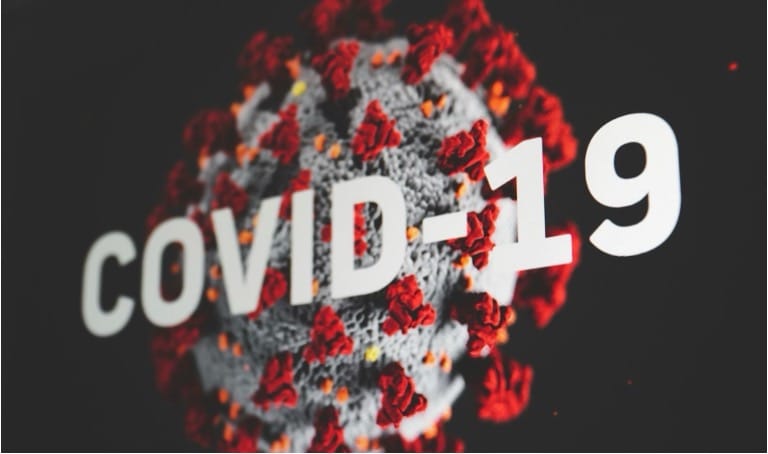
- Clinical Trials and Rigorous Testing
Despite the speed of their development, COVID-19 vaccines underwent extensive testing to ensure safety and effectiveness. Clinical trials followed the standard three-phase process which other vaccines similarly undergo. Each of the three phases assess general safety, in increasingly large testing pools, yet each phase has a specialisation. Phase 1 trials identified unknown side effects, and confirmed proper dosage. Phase 2 trials assessed evaluated immune responses such as immunogenicity and optimal scheduling. Phase 3 provided robust data on efficacy, and compared the vaccine with an existing treatment and placebo. There is also a fourth phase, which the COVID-19 vaccine underwent, and continues to undergo. Phase 4 testing, also known as post-marketing surveillance or observational studies monitors long-term safety and real-world performance. The Pfizer-BioNTech vaccine trial included over 43,000 participants in Phase 3, and demonstrated approximately 95% efficacy in preventing symptomatic COVID-19, with very minimal side effects. While rare side effects were found, the overwhelming evidence showed that the benefits of vaccination far outweighed the risks.
5. Mutated COVID-19 Variants and Booster Development
As the pandemic evolved, so too did the virus. COVID-19 has mutated thousands of times since its original emergence in 2019, with over 12,700 identified mutations. SARS-CoV-2 can do this due to its nature as an RNA virus, which lacks high-fidelity proofreading of DNA viruses. The virus constantly changes through replication errors, which is why the highest frequency of COVID-19 mutation was in the very thick of the pandemic — a higher number of infected hosts, means for more replication, which means for more replication errors, or rather, virus DNA ‘recombinations’. The most significant evolutionary shifts were the D614G variant in Feb 2020, the Alpha variant in Sep 2020, the Beta variant in Aug 2020, the Delta variant in Oct 2020, and the Omicron variant in Nov 2021. New variants present challenges by partially evading the human body's immune responses. Scientists responded to these mutations by refining vaccines and developing booster doses to enhance protection. Booster shots are shown to significantly increase antibody levels, crucial for improving resistance to existing variants, and gaining resistance to new variants.
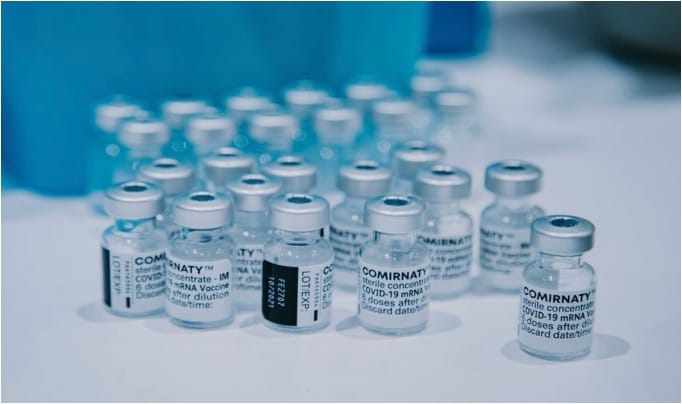
6. Recognition for Manufacturing and Distribution at an Unprecedented Scale
The COVID-19 vaccination effort was by far the largest vaccination campaign in history. Producing and delivering the vaccines required an extraordinary global effort, with pharmaceutical companies scaling up manufacturing in order to produce billions of doses within a year, another medical feat never achieved before. By mid-2022, over 12.7 billion vaccine doses had been administered worldwide across 184 different countries. However, distribution posed significant challenges, particularly to hot, low-income regions, as many mRNA vaccines require ultra-cold storage. Despite these obstacles, the COVID-19 vaccination campaign was a tremendous success, which raises an important question: who deserves the most credit? There are many contenders. Scientists at institutions such as Pfizer-BioNTech and the University of Oxford, played a central role in developing the technology. At the same time, governments provided massive funding, with programmes such as Operation Warp Speed accelerating vaccine development in the United States of America. Public health systems also contributed by organising large-scale vaccination initiatives. Ultimately, the vaccine breakthrough was not the achievement of a single country or institution, but the result of a global collaboration between science, industry, and policymakers.
7. Perceived Dangers and Public Debate
Despite their success, COVID-19 vaccines were not without controversy. COVID-19 vaccine hesitancy, driven by misinformation and distrust, posed a significant barrier to uptake for many people. Concerns about safety were considered, and while rare side effects were found, such as myocarditis or blood clotting disorders, they occurred at exceedingly low rates. Serious adverse events were extremely rare compared to the risks associated with the COVID-19 virus itself. There were also concerns with the novel mRNA technology, and the rapid speed of vaccine development compared to other, traditional vaccines. However, as discussed previously, these allegations are misleading. mRNA technology had been researched for over a decade prior to the pandemic, meaning it was not ‘invented’ in a few months, but rather applied to a new virus. The abnormally quick vaccine development was a result of unprecedented global funding, technological advancement, and existing research, not a bypassing of safety protocols. This highlights the important principle: all medical interventions carry some risk, to varying degrees, but practically all vaccines are evaluated based on a risk-benefit analysis. In the case of COVID-19, the evidence overwhelmingly supported vaccination as a life-saving measure.
8. A Turning Point for Biotechnology and Lessons from the Pandemic
The rapid development of COVID-19 vaccines represents a turning point in biotechnology. mRNA technology, previously viewed as experimental, has now been proven at a global scale. Researchers are already exploring its applications in other fields, including cancer treatment, influenza vaccines, and even personalised medicine. The pandemic accelerated innovation in ways that will reshape the future of medicine, and the ability to design, test and produce vaccines quickly will transform how humanity responds to future pandemics.
The story of the COVID-19 vaccine is a story of science under pressure. Faced with a global crisis, researchers achieved in months what once took decades, as a result of technological advancements and global funding. We remember those who lost their lives to COVID-19, and we recognise the scientific innovation which saved a countless number of additional lives from the deadly virus. The COVID-19 vaccine not only curtailed the pandemic, it also showcased the human drive to solve the most complex challenges.
Bibliography:
"Bloomberg." Bloomberg - Are You a Robot?, www.bloomberg.com/graphics/covid-vaccine-tracker-global-distribution/#:~:text=A%20note%20to%20readers:%20As,150doses%20per%20100%20people.
"Chinese Scientist Who First Published COVID Sequence Stages Protest After Being Locked out of Lab." PBS News, 30 Apr. 2024, www.pbs.org/newshour/world/chinese-scientist-who-first-published-covid-sequence-stages-protest-after-being-locked-out-of-lab.
"COVID-19 Mutations: An Overview." PMC Home, pmc.ncbi.nlm.nih.gov/articles/PMC11230071/.
"Just a Moment..." Just a Moment.., www.science.org/content/article/chinese-researchers-reveal-draft-genome-virus-implicated-wuhan-pneumonia-outbreak.
"Operation Warp Speed." Wikipedia, the Free Encyclopedia, Wikimedia Foundation, Inc, 7 Mar. 2026, en.wikipedia.org/wiki/Operation_Warp_Speed.
"Pfizer and BioNTech Announce Publication of Results from Landmark Phase 3 Trial of BNT162b2 COVID-19 Vaccine Candidate in The New England Journal of Medicine | Pfizer." Pfizer: One of the World's Premier Biopharmaceutical Companies, www.pfizer.com/news/press-release/press-release-detail/pfizer-and-biontech-announce-publication-results-landmark.
"Pfizer-BioNTech Vaccine Effectiveness Against Sars-Cov-2 Infection: Findings from a Large Observational Study in Israel." PMC Home, pmc.ncbi.nlm.nih.gov/articles/PMC8717697/.
"SARS-COV-2 Notable Mutations and Variants: A Review Article." PMC Home, pmc.ncbi.nlm.nih.gov/articles/PMC9529736/.
"Variants of SARS-CoV-2." Wikipedia, the Free Encyclopedia, Wikimedia Foundation, Inc, 18 Mar. 2026, en.wikipedia.org/wiki/Variants_of_SARS-CoV-2.
Virological, virological.org/.
World Health Organization (WHO), www.who.int/.
"Zhang Yongzhen." Wikipedia, the Free Encyclopedia, Wikimedia Foundation, Inc, 8 Mar. 2026, en.wikipedia.org/wiki/Zhang_Yongzhen.