Virotherapy: a future for the fight against cancer?
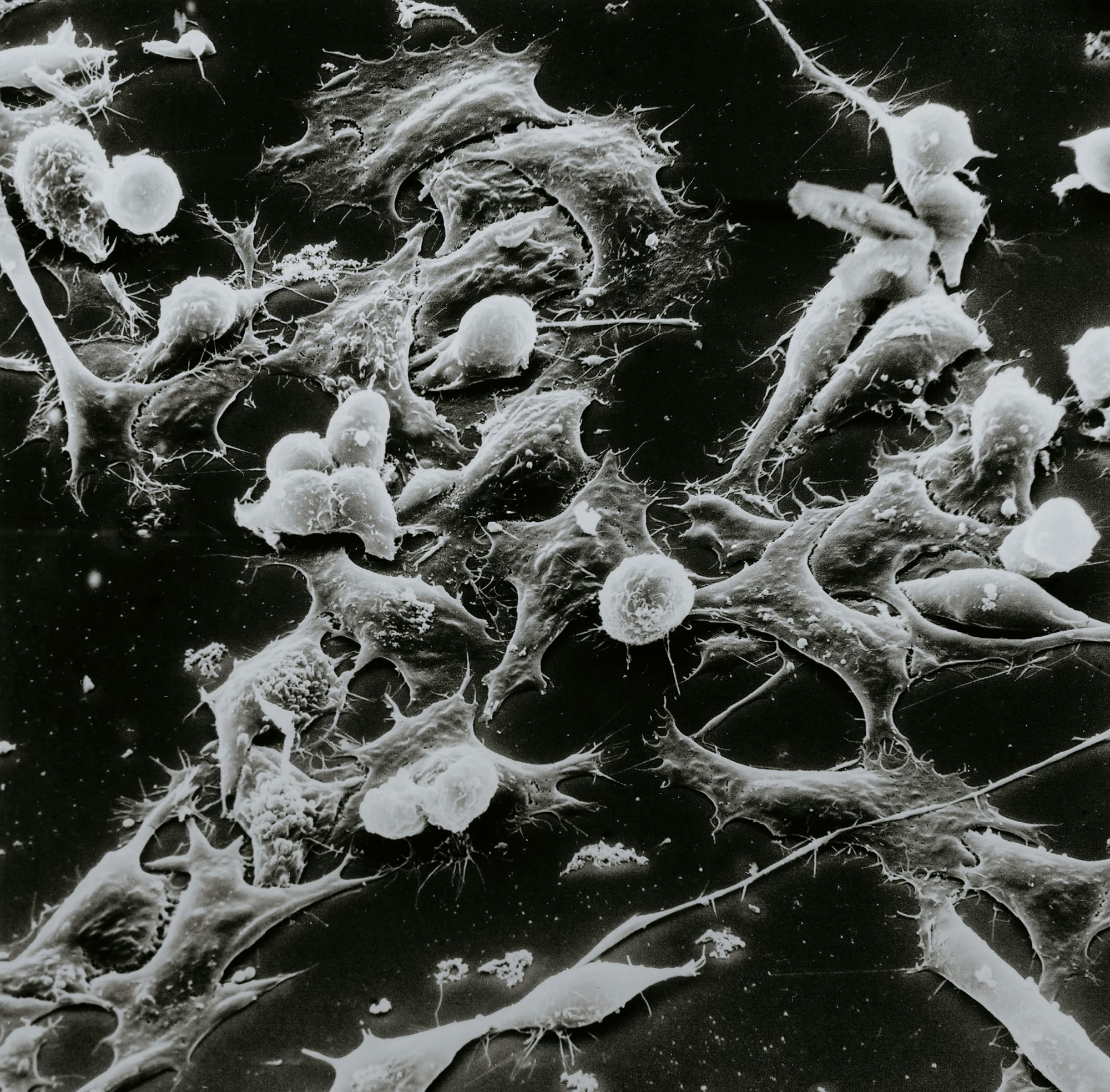
The search for a cancer cure has been nothing less than an endless fight and a dream for many young scientists. With over 200 known different cancer types, and the problem of cancer’s resistance to the immune system, a universal cure has long been difficult to obtain due to cancer’s lack of weaknesses. However, cancer cells are weak to one threat which affects our cells equally: viruses. Viral tumour therapy methods are used on severe cases including advanced melanoma, but the danger that viruses cause to already weakened patients poses an immense risk and an uncertain future for therapy.
The complications of current methods and the need for virotherapy
Cancer is notoriously difficult to cure. The methods of today have very high failure rates, especially in late-stage cancers, with approaches to chemotherapies for solid tumours having failure-rates of c.90%. Due to the infinite numbers of genetic mutations in most tumours’ chaotic environments and their ability to mask themselves from the body’s own immune responses, a viable universal cure has not been found. Furthermore, even the most effective cancer therapies such as surgery, chemotherapy and immunotherapy are limited mostly to non-vital areas of the body, as they affect the area around the tumour collaterally when dealing with the tumour itself. Cancer has very few weaknesses, as cancer cells very often aren't seen by the body as threats, but rather, just as other bodily cells as they can disguise themselves. They express checkpoint proteins such as CD24 known as "don't eat me" signals to stop immune cells from engulfing them. However, the one exploitable weakness of cancer is to treat it such as the cells of our own body.
What is virotherapy?
Virotherapy is a cancer therapy method facilitated by injecting tumours with viruses. This is effective as it utilises the tumours' immune evasion, as oncolytic viruses are inserted into the tumour, but without the immune system to defend themselves, the viruses easily infect these cancer cells. After infection, the oncolytic viruses cause cancer cells to burst, releasing cancer antigens which then stimulate immune responses to destroy any other cancer cells nearby and throughout the body. In 2018, John C. Bell, PHD from Ottawa Hospital Research Institute, found that triple-negative breast cancer patients treated with oncolytic viruses before surgery had a higher likelihood of responding to immunotherapy. Currently, oncolytic viruses are used as potential options for patients only as a sort of last resort where other methods of therapy have been used and have failed, as the introduction of viruses into already weakened peoples’ bodies can be very dangerous. Their use is only approved for specific types of cancer, most notably advanced melanoma, using T-VEC (a modified herpes virus) most commonly.
A new breakthrough for cancer research?
In 2020, Beata Halassy, a 50-year-old virologist at the University of Zagreb in Croatia managed to treat her recurring breast cancer with her own form of experimental oncolytic virotherapy. While her methods received much backlash for their risk, her use of virotherapy to treat herself provided evidence to the world of cancer research that oncolytic viruses are a useful weapon in the battle to cure cancer. She had a history of local recurrence triple-negative breast cancer (TNBC): the most diagnosed cancer and leading cause of cancer-related death in women. It was first diagnosed 2016, but after surgical removal and chemotherapy, the tumour reappeared as a 2cm diameter solid tumour in 2020. Anticipating that the recurrent tumour would be of a TNBC phenotype where only a limited number of therapies exist, she decided to treat it with the administration of viruses that were similar to oncolytic viruses. Following only 2 months of virotherapy using a measles and vesicular stomatitis virus in her therapy, the tumour was reduced in size from a volume of c.2.47 cm3 to c.0.91 cm3. The tumour had changed from a hard, fixed inflamed nodule to a soft nodule without inflammation. Later on, the therapy was finished with a surgical removal of the remaining tumour, and Halassy remains recurrence-free 45 months post-surgery. Despite the overall success of her own therapy, it raised many concerns in the medical community due to her usage of unregulated viruses and amounts without peer review, but her results support the possibility that tumour shrinkage before surgery can be effectively done using Oncolytic virotherapy, which may additionally be useful to induce anti-tumour immunity in patients with earlier stage cancers.
Conclusion
Virotherapy and its research are gaining recognition. Its capabilities are immense, and it has been observed that there is no obvious overlap of resistance between oncolytic viruses and other therapies, and with a combination of therapy strategies, we may be able to have a universal method of tumour removal. Currently, there are only 4 oncolytic viruses approved for use in major regulatory markets, including the new Vusolimogene oderparepvec-wtpg, approved by the FDA in the USA on August 6, 2026, only for advanced melanoma patients. With usage of the Oncolytic virus T-VEC (Talimogene laherparapvec) for late stage Melanoma patients, their life expectancy on average was increased by around 4 months. With further research, we can expect virotherapy’s uses to broaden, and to see the method become commonly used among other therapies to remove tumours.
Bibiliography
- CRI staff. "Exploring the Different Types of Cancer and Treatment Options."
Cancerresearch.org, 12 Dec. 2023, www.cancerresearch.org/blog/exploring-the-different-types-of-cancer-and-treatment-options. Accessed 29 Sept. 2026.
- Maeda, Hiroshi, and Mahin Khatami. "Analyses of Repeated Failures in Cancer Therapy for Solid Tumors: Poor Tumor-selective Drug Delivery, Low Therapeutic Efficacy and Unsustainable Costs." PMC Home, 1 Mar. 2018, pmc.ncbi.nlm.nih.gov/articles/PMC5852245/. Accessed 29 Sept. 2026.
- Ottawa Hospital Research Institute, University of Ottawa, John C. Bell, PHD. "How Oncolytic Virus Therapy is Changing Cancer Treatment." cancerresearch.org, www.cancerresearch.org/immunotherapy-by-treatment-types/oncolytic-virus-therapy. Accessed 3 Oct. 2026.
- Kevin Harrington, et al. "Optimizing Oncolytic Virotherapy in Cancer Treatment." Nature, 10 July 2019, www.nature.com/articles/s41573-019-0029-0. Accessed 4 Oct. 2026.
- City Of Hope. "5 Big Cancer Advances Redefining Care and Survival." Cityofhope, 24 Sept. 2026, www.cityofhope.org/hope-matters-blog/cancer-latest-research-advance-breakthrough. Accessed 4 Oct. 2026.
- Prof. Dr. Dr. Guy Ungerechts. "Virotherapy - German Cancer Research Center." Deutsches Krebsforschungszentrum, www.dkfz.de/en/virotherapy. Accessed 4 Oct. 2026.
- Dubravko Forčić, et al. "An Unconventional Case Study of Neoadjuvant Oncolytic Virotherapy for Recurrent Breast Cancer." mdpi.com, 23 Aug. 2024, www.mdpi.com/2076-393X/12/9/958?mc_cid=4788a54443&mc_eid=77084777e4. Accessed 4 Oct. 2026.
- Creative Biogene. "She Successfully Treated Her Own Cancer Using A Virus She Grew in The Lab." Transfected Stable Cell Lines, Custom Viral Service, Gene Editing - Creative Biogene, www.creative-biogene.com/blog/she-successfully-treated-her-own-cancer-using-a-virus-she-grew-in-the-lab. Accessed 4 Oct. 2026.
- Gholamreza Motalleb. "Virotherapy in Cancer." PMC Home, 8 Mar. 2013, pmc.ncbi.nlm.nih.gov/articles/PMC4142919/. Accessed 4 Oct. 2026.
- The ASCO Post Staff. "FDA Approves Oncolytic Viral Therapy With Immunotherapy for Advanced Melanoma." TAP The ASCO Post, 7 Aug. 2026, ascopost.com/news/august-2026/fda-approves-oncolytic-viral-therapy-with-immunotherapy-for-advanced-melanoma/. Accessed 4 Oct. 2026.Cristopher Vaughan.
- Cristopher Vaughan. "New 'don't Eat Me' Signal May Provide Basis for Cancer Therapies." News Center, 31 July 2019, med.stanford.edu/news/all-news/2019/07/new-dont-eat-me-signal-may-provide-basis-for-cancer-therapies.html. Accessed 6 Oct. 2026.