Superbugs vs Human Ingenuity: How can we Win the Evolutionary Arms Race?
Introduction
For a long time, Antibiotics have been a foundational pillar of modern medicine, saving hundreds of millions of lives and adding more than an average of 20 years to the human life expectancy. The earliest uses of antibiotics date back to ancient Egypt as early as 1500 BCE. Based on medical records shown on papyri, physicians would apply mouldy bread and honey onto infected wounds and skin conditions to treat them. While these ancient physicians lacked any knowledge of bacteria and antibiotics, their observations and tests led them to an effective cure. The fungi growing on the bread was often of the same penicillium species that we get modern penicillin from, and it was able to produce natural compounds that killed or stopped the growth of harmful bacteria.
The earliest synthetic antibiotic, Salvarsan, was developed much later in 1910 by Paul Ehrlich and it was created to treat syphilis. Later in 1928, Alexander Fleming discovered penicillin from Penicillium mould (the same kind used over 2000 years ago by the ancient Egyptians). Penicillin was named the ‘miracle drug’ because it could suddenly cure many deadly bacterial infections that could never have been treated before and was the world’s first true mass-produced antibiotic, saving the lives of millions of soldiers during WWII. The period from 1940-1962 was known as the Golden Age of Antibiotics, due to the massive influx of scientists discovering new antibiotic cures. Other than the ones previously mentioned, one of the most influential discovered during this time was Streptomycin, which was the first drug capable of curing tuberculosis (which was previously a massive disease that was practically a death sentence for people all over the world), as well as other important discoveries such as Tetracycline, which was the first drug that could treat an incredibly wide range of conditions.
The Problem of Antibiotics
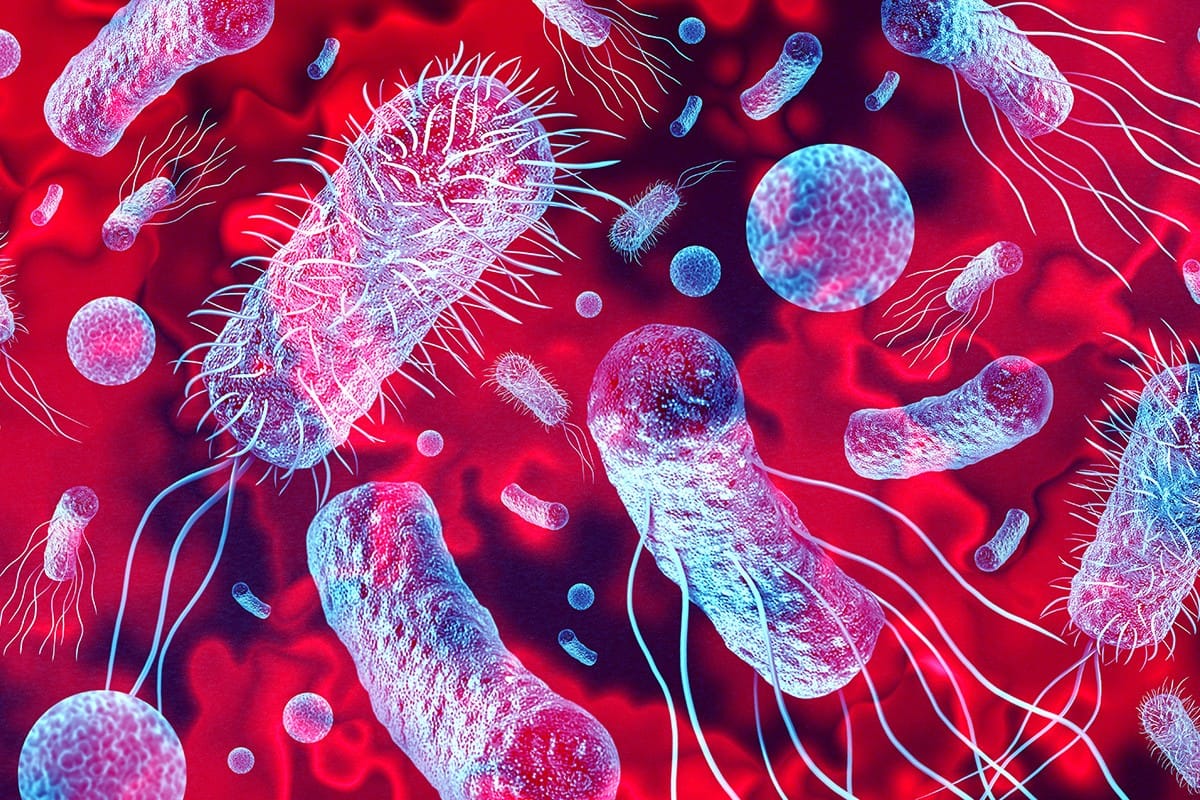
However, since antibiotics are so great, then what is the problem? The crucial weakness of antibiotics is that they only kill the bacteria thus leading to the bacteria developing drug resistance when overused. Through a process called binary fission, bacteria can reproduce rapidly, with E. coli bacteria doubling in number every 20-30 minutes under the appropriate conditions. With this speed of growth, a single bacterium can multiply into billions in under half a day. Luckily, this rarely happens naturally since bacteria can quickly run out of food and space. Furthermore, due to space and oxygen limitations as well as toxic waste accumulation, they cannot multiply forever and do have restrictions regarding the speed of their growth. It is undeniable, however, that they have astonishing reproduction speeds. Through random genetic mutations and natural selection when exposed to antibiotics, it is inevitable that they will eventually develop resistance to our medicine.
A famous experiment that tested the speed that of which bacteria could evolve and resist out antibiotics was the Harvard Medical School MEGA-plate study. In this experiment, researchers built a 2-by-4 foot petri dish to watch E. coli mutate and overcome drugs in real time. The petri dish was formatted in rings, where the outer edges had no antibiotics at all with each ring increasing the concentration of the antibiotics by a large amount. The innermost ring was filled with a dose 1000 times stronger than what a normal bacteria could survive. The results were shocking, and as the bacteria continues to multiply, they managed to mutate and break through every single barrier in just 11 days. The experiment showed how the E. coli were able to develop resistances to the drugs extremely quickly, and by the end, they had developed total immunity to a massive concentration of the drug. These drug-resistant bacteria are called ‘Superbugs’.
Annually, antibiotic-resistant superbugs are directly responsible for over 1 million deaths per year and around 5 million associated deaths each year globally. One of the more horrifying realities of these superbugs is that they can make diseases that we thought were cured to spread once again. Superbugs aren’t just a modern problem either, they have been an ongoing issue ever since antibiotics have been massed produced and used widely. Even since 1940, signs of bacterial resistance to penicillin appeared, when scientists found that a sample of E. coli bacteria could make the drug ineffective by producing an enzyme called penicillinase. Bacteria have continued to develop more resistances since then, while we have also continued to make new and improved versions of the antibiotics. In fact, ever since its discovery, there have been four major chemical generations of penicillin with dozens of different variations of the drug, and we are continuing to improve our antibodies to match the development of the bacteria.
What can we do to fight against Superbugs?
There are several pathways that are currently being explored which could lead to the end of superbugs. Through Advanced Biological Therapeutics, instead of relying on the chemical antibiotics that we are used to, we can try to focus on using living systems or genetic tools to attack the bacteria. The first possibility is with Phage Therapy and Synthetic Biology. Bacteriophages are viruses that can target and destroy bacteria while leaving the body’s cells unharmed. They destroy bacteria by attaching to the cell walls and injecting the bacteria with their own genetic material. This converts the bacteria into a factory that continually produce copies of the viruses until the cell is packed tight. In the meantime, the virus is punching holes in the cell wall of the bacteria through its specialized enzymes called lysins, releasing the new phages and bursting the bacterium. Synthetic biology allows for scientists to be able to customise and edit phages in a lab. This counters bacteria samples that have adapted against natural phages.
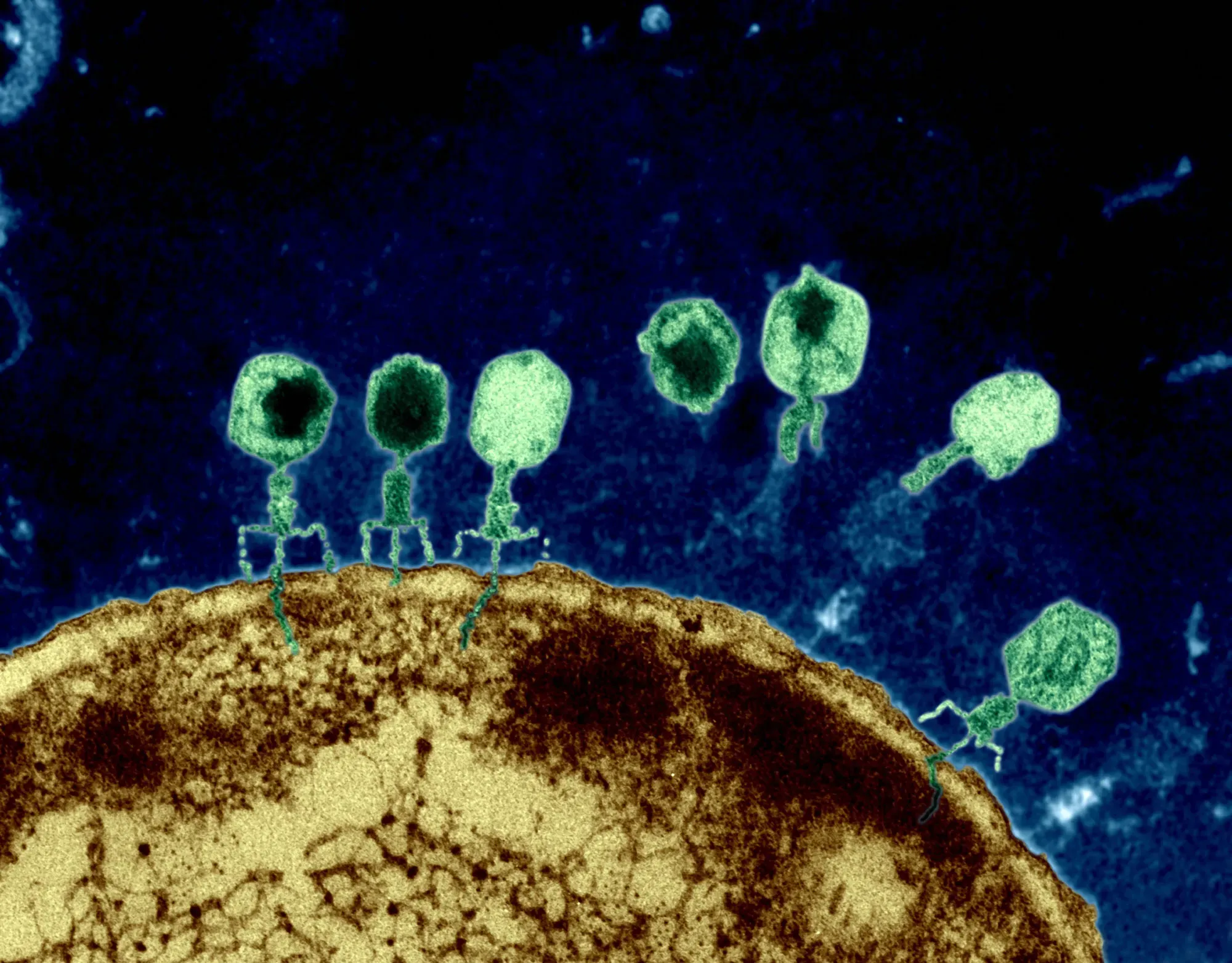
While Phage Therapy seems promising, they are not yet a mainstream medical treatment that complement antibiotics due to biological and economic hurdles. The largest problem currently is that the body will clear out most bacteriophages through its defence mechanisms before they can kill most of the bacteria, with the immune adaptive system remove more than 99% of phages from the bloodstream after 6 hours. Furthermore, most of the data on phages are only from smaller scale case studies rather than larger scale trials.
Another promising solution to the problem is using CRISPR-based Gene Editing tools to disarm bacteria. CRISPR is a powerful tool that is used in genetic engineering, allowing scientists to make changes to DNA at precise location in the genome. You might wonder how this would help the problem of antimicrobial resistance, but scientists can load CRISPR systems onto carriers such as harmless bacteria and programme the CRISPR system to seek out specific antibiotic-resistant gene sequences. Once the CRISPR mechanism is inside the target superbug, it can shear off or make changes to the antibiotic-resistant gene sequence. This will reduce the superbug to a normal bacterium, allowing for the standard, cheaper and already-widespread antibiotics to work once again. Currently scientists are actively testing CRISPR-based technologies to work against and reverse the resistance in bacteria. Instead of being a typical new cure or killer of bacteria, it acts as an enabler, allowing our current antibiotics to overcome the rapid mutations of antibiotic bacteria.
Conclusion
By leveraging our technology and innovative inventions, we may be able to gain the upper hand in the fight against antimicrobial resistance in the future. While conventional antibiotics once transformed medicine by reliably handling bacterial threats, the rapid growth of superbugs has exposed the limits of traditional chemical drugs. By integrating targeted biological tools like phage therapy and precision CRISPR gene editing into our medical arsenal, science is shifting from defense to proactive attack. Allowing us to specifically disarm, destroy, and systematically outsmart resistant pathogens to safeguard global health.
https://www.sciencedirect.com/science/article/pii/S1369527419300190
https://microbiologysociety.org/why-microbiology-matters/knocking-out-antimicrobial-resistance/amr-explained/the-history-of-antibiotics.html
https://pmc.ncbi.nlm.nih.gov/articles/PMC3109405/
https://asm.org/articles/2022/august/phage-therapy-past,-present-and-future
https://www.sciencedirect.com/science/article/pii/S2666388024000017
https://crisprmedicinenews.com/news/crispr-interference-reduces-antibiotic-resistance/