How Technology Is Transforming Agriculture
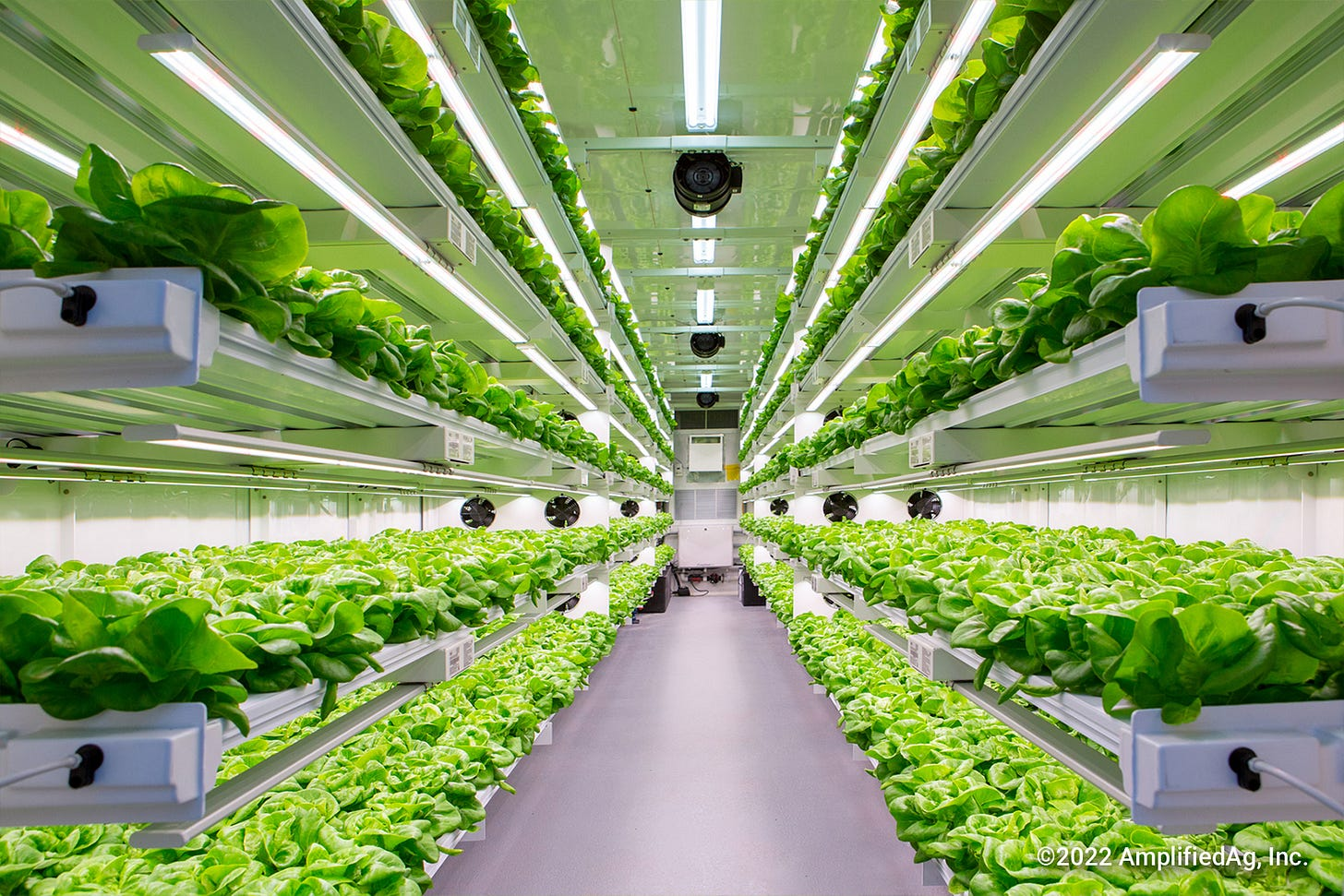
Modern Technology is shifting farming off the farm. Advancements in technology are changing the way we produce food in the modern world, and will reshape farming in the future.
Horses? More like Horsepower!
Farming is one of the oldest human activities, but the way we farm has changed dramatically over the last few centuries. For much of human history, farmers depended on animals, simple tools and a lot of manual labour to plant and harvest crops. This made farming slow and physically demanding, while the amount of food that could be produced was almost solely dependent on the amount of land and labour available.
The arrival of agricultural machinery began to change this.
The tractor, which became increasingly common during the twentieth century, allowed farmers to replace much of the work previously carried out by horses and other animals. Ploughing, planting and harvesting could all be completed much faster, meaning fewer people could farm much larger areas of land. Other inventions, such as mechanical harvesters, irrigation systems and chemical fertilisers, continued to increase agricultural productivity.
This transformation helped create the large-scale farming systems that are common today.
The Smart Farm
Modern agriculture is increasingly becoming a data-driven industry.
GPS has allowed tractors and other machinery to navigate fields with high accuracy, minimising unnecessary passes over the same areas and letting farmers use seeds, fuel and fertiliser more efficiently, with sub-inch accuracy from several different autonomous vehicles . Some modern tractors can even steer themselves using satellite positioning systems without human input at all.
Drones are also becoming useful for monitoring crops. Equipped with cameras and other sensors, they can identify differences in plant growth, water availability and signs of disease. Instead of treating an entire field in exactly the same way, farmers can use this information to target particular areas.
This is part of a wider approach known as precision agriculture.
The basic idea is fairly simple: rather than treating an entire farm as one large system, technology allows farmers to measure and manage much smaller areas individually. Soil sensors can measure moisture and nutrient levels, while weather stations can provide information about temperature, rainfall and wind.
Artificial intelligence could make these systems even more useful. By combining data from sensors, satellites, weather forecasts and previous harvests, computer systems can help farmers decide when crops should be planted, irrigated or harvested, maximising efficiency.
Growing Upwards
Some agricultural technologies, such as vertical farming, are changing not only how farms operate, but where farms can exist.
Traditional crops are normally grown across large areas of land, but vertical farms stack growing areas on top of one another inside controlled environments. Plants can be supplied with carefully measured amounts of water, nutrients and light, while temperature and humidity can also be controlled.
Vertical farming is not some far-fetched concept, but instead has already been used for over 20 years. For example, the Japanese company Nuvege was the first fully artificially lit vertical farm. The Icelandic start-up VAXA Technologies uses this method to grow several different species of micro-algae, such as Spirulina, a nutrient-dense superfood which is used in all kinds of dietary supplements. VAXA uses 200 times less water based on land footprint than soybean farming, and has a 250 times larger yield than its ground-based comparison.
Some systems use hydroponics, where plants are grown without soil and receive nutrients through water. It is used by the much more local example, Harvest London, to grow a variety of small plants, from mint to mustard greens. This can allow certain crops to be produced close to the people who will eat them. It can also reduce the amount of land required for production and, depending on the system and crop, reduce water use.
However, vertical farming is not a perfect replacement for conventional agriculture: artificial lighting and climate control require energy that is free for conventional farming. The economics of growing crops indoors can also be challenging, preventing many start-ups from expanding to large scale.
Robots Among the Crops
One of the most difficult parts of farming to automate is harvesting. Large crops such as wheat can already be harvested using highly mechanised machinery, but fruit and vegetables present a much greater challenge.
The solution? The stark opposite of humans’ slow and lumbering method: shake the whole entire tree and then catch the berries in what is effectively an upside-down umbrella. This improves speed and lowers the cost of harvest, and could become particularly useful because harvesting can require large numbers of workers for short periods of the year. Autonomous machines work for long periods of time without the limitations of human labour, and, in the case of the cherry picker, do it 50 times faster.
Yes, agriculture could become increasingly automated, but farmers will still be needed for supervising machines, analysing data and making decisions about the wider farm.
What Comes Next?
A future farm could contain autonomous tractors working alongside smaller robots, drones monitoring crops from above and sensors continuously measuring conditions underground. Artificial intelligence could combine all of this information and identify problems before they become visible to the farmer.
At the same time, farms could appear in places where agriculture has traditionally been difficult. Vertical farms could grow crops not just in a city building, but underneath it, underground, and controlled-environment agriculture could allow food to be produced in locations with unsuitable outdoor conditions, reducing the need for imported food.
The Next Agricultural Revolution
The history of farming is closely linked to the history of technology.
The development of machinery reduced the amount of manual labour required to produce food. Irrigation allowed farmers to control water more effectively. Modern fertilisers increased crop productivity, while computers, satellites and sensors are now allowing farmers to measure their fields in much greater detail. The next major change may be less about one invention and more about how these technologies work together.
A tractor that can navigate using satellites is useful. A soil sensor is useful. A drone is useful. Artificial intelligence is useful. But without communication between these machines, they are just tools. The most interesting agricultural technology may therefore not be the machine that looks the most impressive, but rather a working network.
From the horse-drawn plough to the autonomous tractor, agriculture has always changed when technology provides a better solution to an old problem. What matters now is not what the farm looks like, but how effectively it can feed the people of the future.
Bibliography
Top image: https://igrownews.com/vertical-farming-in-japan-spotlight-on-local-innovators/
Vaxa yield statisticss: https://www.greenbyiceland.com/sustainability-story/the-future-of-agriculture-and-algaculture
Harvest London: https://www.harvest.london/futureoffood
Autonomous tractors: https://www.mdpi.com/2077-0472/15/14/1475
Cherry picking harvest speeds: https://treefruit.wsu.edu/videos/automation-mechanization-in-sweet-cherries-dr-matthew-whiting/