Can We Modify Mosquito Genomes to End Malaria?
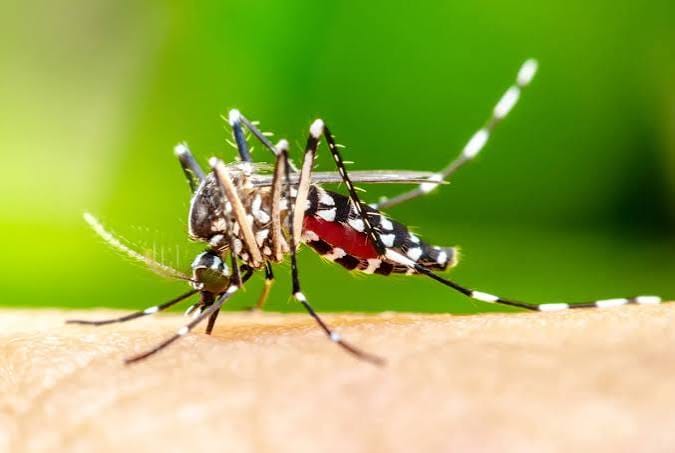
Public Health Crisis
Malaria remains one of humanity’s deadliest vector borne diseases. According to the world health organisation, in 2024 there were an estimated 282 million malaria cases and 610 000 malaria deaths in 80 countries, with sub-Saharan Africa accounting for 95% of these malaria deaths. Children of 5 accounted for about 75% of all malaria deaths in the region [1]. Traditional malaria control has relied on insecticides like pyrethroids, which cause an influx of sodium ions onto nerve cells and permanent depolarisation, although they are most commonly used in crop protection [2]. However, with metabolic resistance across mosquito populations towards pesticides increasing due to producing higher levels of detoxifying enzymes in this instance, their efficiency is becoming increasingly limited [3]. Other traditional methods for malaria prevention is the use of insecticide treated beds, which have reduced the death of children under 5 years from all causes by about 20% [4]. Although cost, availability and consisted use of ITNs, along with insecticide resistance in mosquitoes still remain challenges in controlling the malaria endemic regions. With the use of physical and chemical methods to prevent the transmission of malaria proving to be unreliable, introducing self-propagating edits, which can spread through generations, could suppress the transmission of malaria without repeated manual intervention.
Mechanism : The Cas9-gRNA Complex
The process begins with the introduction of a Ribonucleoprotein (RNP) complex into a mosquito embryo. This is a unit consisting of the Cas9 protein with the guide RNA, where the guide RNA (gRNA) acts as a sequence specific guide that navigates the Cas9 protein to its matching DNA target within the cell’s nucleus. The gRNA does not only look for matching letters of a DNA sequence but specifically looks for a for a Protospacer Adjacent Motif (PAM), which is a short sequence of DNA. Once the Cas-9 protein meets the PAM sequence, the specific amino acid residues (arginines) in the Cas-9 protein form hydrogen bonds directly with the guanines (GG) in the PAM at the PAM-interacting domain of the Cas9 protein. The binding of the Cas9 protein to the PAM forces the double stranded DNA helix which is found adjacent to the PAM to unwind a small amount, which opens the target site within the plasmodium chromosome for the inspection of the DNA sequence. The gRNA begins pairing with the target strand at base 1 adjacent to the PAM and proceeds to pair with the first 8 to 12 nucleotides first form the seed region. Thermodynamically, if this pairing either stops or encounters a mismatch in this area, the free energy barrier is too high, causing the Cas9 to release the DNA without cutting. If the sequence matches, the pairing process continues throughout the remaining 20 nucleotides of the PAM. As the gRNA binds to the target strand, it physically displaces the non-target DNA strand into a single stranded loop. This new structure formed, consisting of the DNA and RNA, strands is called the R-loop. In the Plasmodium cell, whose genome is very AT-rich, the lower thermal stability of A-T base pairs makes the unwinding of the DNA easier.
After the R loop is formed, Cas9 undergoes a structural shift that activates 2 different nuclease catalytic domains, otherwise known as cleavage domains. These 2 cleavage domains are the RuvC domain, and the HNH domain. The HNH domain functions by rotating into position to cleave the target DNA strand that is directly paired with the gRNA. The RuvC Domain works by simultaneously cutting the non-target strand. Together, these two domains generate a double strand break (DSB) with a blunt end at the target site.
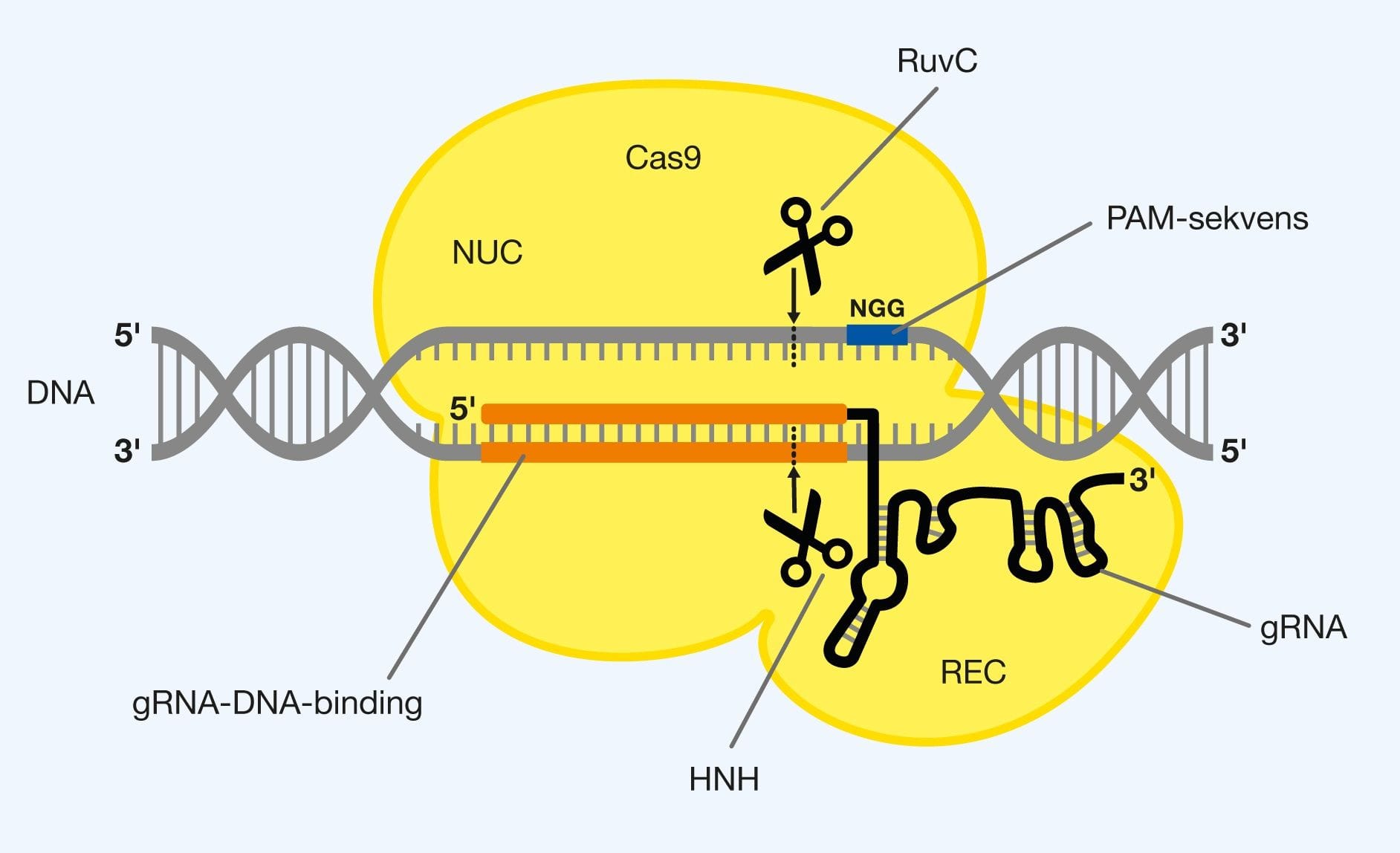
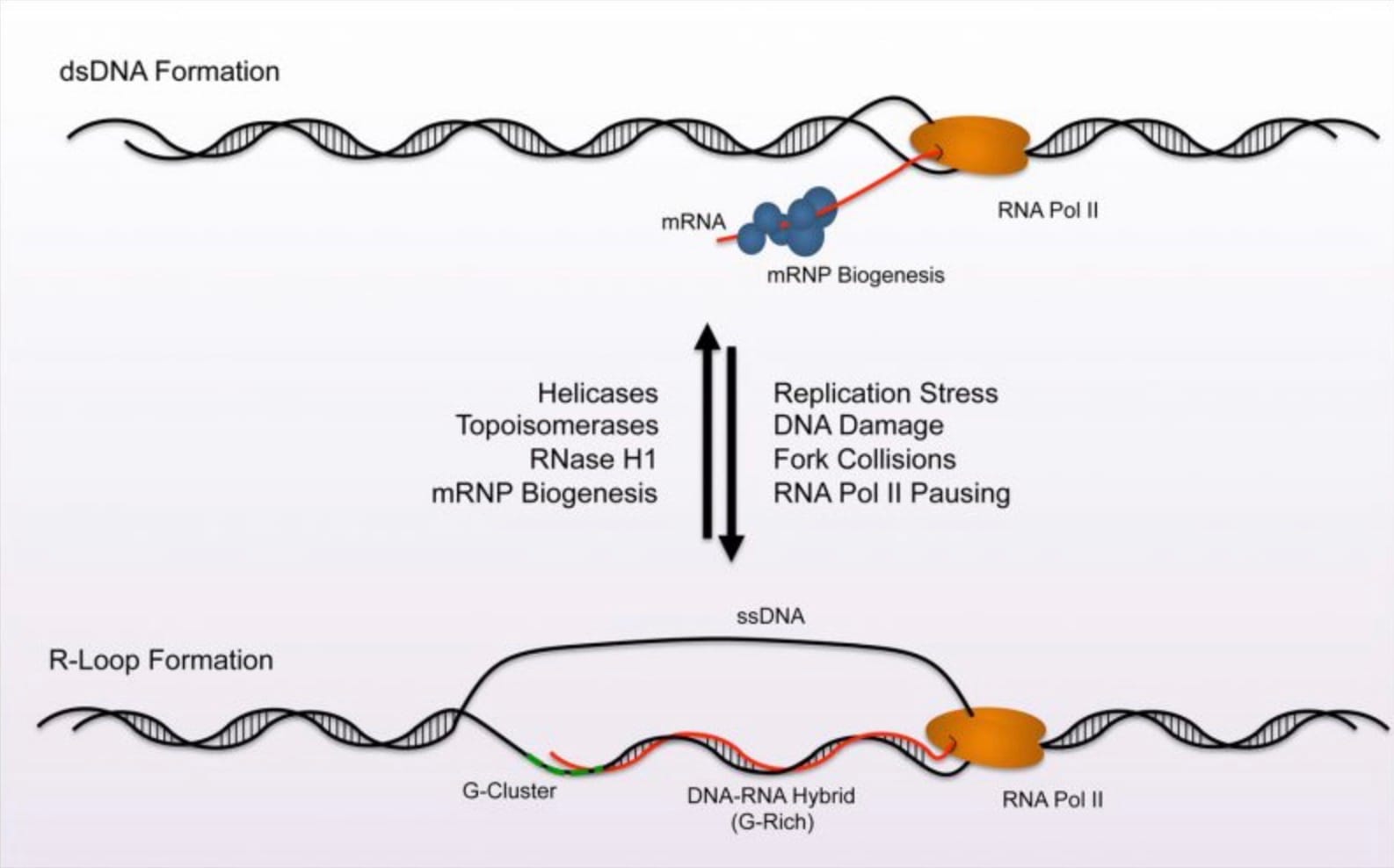
Credit: Biotech academy and Cell stress
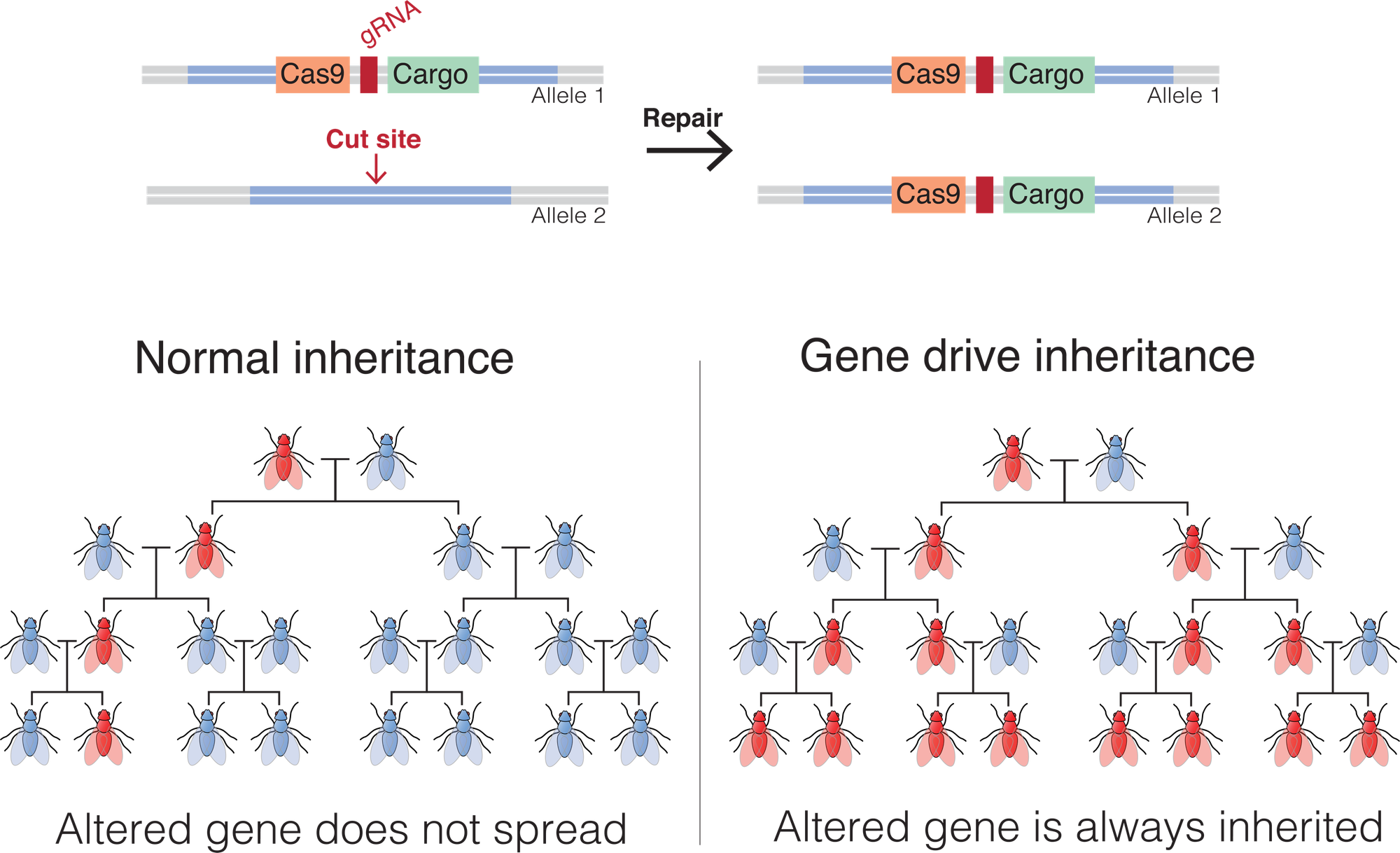
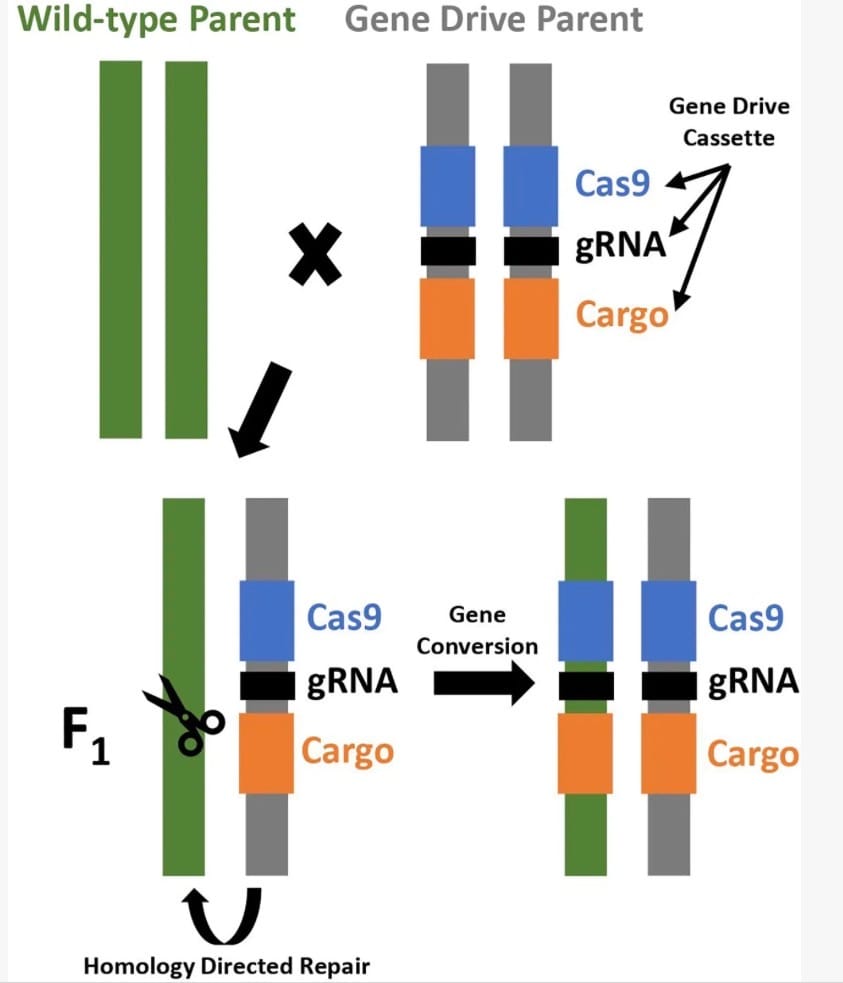
Following the formation of the DSB, the mosquitoes host cell activates endogenous DNA repair to resolve the damage, which determines whether the gene edit results in disruptions of the target gene or self propagating integration of the gene. While non-homologous end joining, being one of the pathways, binds the broken ends, Homology repair causes self-propagating gene drives. This is because when the Cas9 cuts the wild type DNA strand, the cell looks for a matching sequence to guide the repair process. By supplying a donor construct flanked by left and right homology arms that mirror the specific cut site, the cell’s repair process mistakes the gene drive template for its natural template. As it repairs the damaged area, it copies the entire gene drive sequence (including the Cas9 and gRNA genes) into the wild type chromosome converting a heterozygous cell into a homozygous modified cell. [5] In a recent published paper: A method for converting heterozygous to homozygous mutations, Valentino Gants and Ethan Bier used fruit flies to test if a mutagenic chain reaction could lead to a near 100% trait inheritance instead of the classic Mendelian ratios. This was done by micro injecting a Cas9 gene, a gRNA targeting a x-linked yellow locus in the fruit fly and flanking homology directed arms mirroring the cut site. Out of 123 female fruit flies, 97% displayed full yellow bodies instead of the expected brown from the wild type gene, and 97% of the offspring also displayed yellow bodies [5]. Under classical Mendelian inheritance, 0% of the offspring should have displayed this yellow body colour as the paternal allele was dominant. This shows how near 100% of the mosquito gametes produced would carry the modified gene drive. So now, when this modified mosquito mates with a wild mate, nearly all of their offspring (except for the ones that undergo non-homologous end joining) inherit the modified allele, allowing these anti-malarial traits to spread rapidly through whole wild mosquito populations.
How Can This Be Implemented Into Mosquitoes?
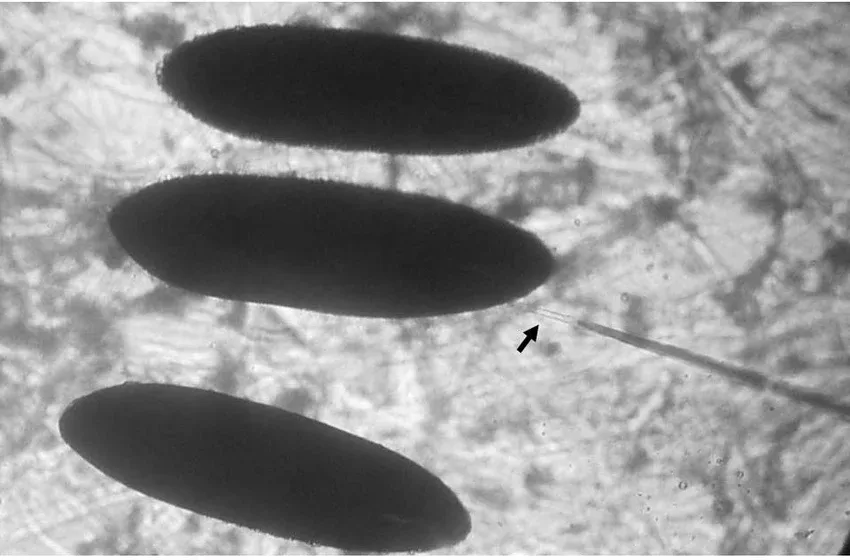
A study on how a gene drive system targeting female reproduction in the malaria mosquito vector: Anopheles Gambiae shows how this can be carried out in a laboratory. The RNP complex consisted of the Cas9 protein, a guide RNA and a red fluorescent protein marker gene to help identify it under fluorescent light. The RNP complex is microinjected into the posterior pole of hundreds of wild-type Anopheles Gambiae embryos to reach primordial germ cells as they grow. Then, the surviving adults are crossed with wild type mosquitoes, after which their offspring were screened under fluorescent microscopes to identify the larvae showing red-glowing eyes or bodies. This would confirm whether the genetic modification was integrated or not, with the red glowing eyes or body being the positive result [6]. According to this study, the engineered genes achieved transmission rates between 91.2% and 99.6% across the 3 candidate genes [6]. Although this demonstrated how the transmission rate was high and successful, specific non-homologous end joining occurred at low rates that led to some mosquitoes developing mutations that were resistant to the Cas9 cleavage. This is one of the multiple risks that are posed following the modifying of these gene drives.
Ecological Risks and Resistance Development
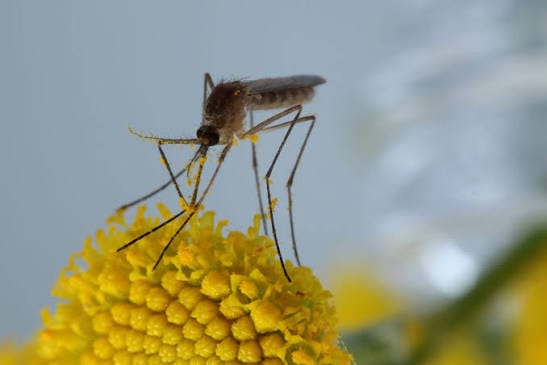
In the paper ‘Gene drives, mosquitoes, and ecosystems: an interdisciplinary approach to emerging ethical concerns’, it highlights how when gene drives are used for population suppression (lowering mosquito numbers), it can lead to significant disruptions in the ecosystem. This is because mosquito larvae and adult mosquitoes are food sources for predators such as fish and other amphibians. As mosquitoes are removed from a food chain, this article points out how dependent predators could face population declines as they do not have enough food. Also, for male mosquitoes, they feed by consuming floral nectar, by going to various different plants in an ecosystem. This makes them secondary pollinators in some habitats. So, by the suppression of mosquito populations to prevent the transmission of malaria, the article also points out how this reduces pollination [7]. This negatively affects plant reproduction and reduces crop yield. Although the gene drive method I mentioned does not involve the suppression of a population, other methods used to prevent the transmission of malaria do involve the suppression of a population, leading to disruptions in the ecosystem.
Furthermore, mosquitoes can develop resistance to these gene drives. In the article mentioned previously about how the gene drive method can be implemented onto mosquitoes, it mentions how resistance can emerge when the host cells use the alternative but fast method of non-homologous end joining. Non homologous end joining normally carries out several mistakes, leading to frequent mutations occurring after this process. Sometimes, mutations can emerge that make the target resistant to the Cas9 cleavage and preventing the gene drive from spreading further [6]. As the mosquitoes reproduce and share these mutated genes, natural selection is in favor of the variant with the resistant mutation. This leads to the mosquitoes with the mutated genes to out-reproduce those with the antimalarial traits until the gene drive becomes ineffective.
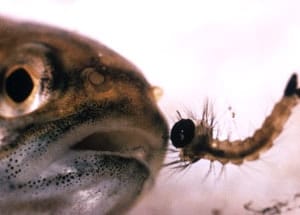
Credit: Best Bee Brothers and Benton county mosquito control
Bioethics, Governance and the Future
From a bioethical view, it can be argued that sound science is the first requirement for scientific research. Although CRISPR has many possibilities of transformation, altering a gene can lead to an unpredictable result and undesirable consequences. For instance, this can give rise to new diseases or affect the species modified negatively [8]. The prevention of diseases using gene drive technologies also creates a conflict between our moral duty to prevent human suffering and the duty to avoid human harm. Malaria causes massive amounts of casualties annually and leads to suffering, so by creating a technology that could reduce this burden would seem like a moral obligation. However, because of the unknown risks and impacts on human health created by gene drives, exposure to genetically modified mosquitoes could transfer genetic material that can trigger unexpected diseases [8]. Mosquitoes move across borders easily. This means that before they can travel into other countries, making new regulations concerning the transport of gene-drive mosquitoes should be created and current regulations such as the Cartagena protocol should be altered [8].
In conclusion, the benefits of the use of gene-drive technology to prevent the transmission of malaria outweighs the potential risks if this new technology is thoroughly tested and used correctly. This is because due to the severity of this crisis and the reduction in efficiency of current methods, new approaches must be carefully considered to prevent the transmission of malaria.
Bibliography
World Health Organization (WHO). "Fact Sheet About Malaria." World Health Organization (WHO), 4 Dec. 2025, -
www.who.int/news-room/fact-sheets/detail/malaria. [1]
Iga Hołyńska-Iwan, and Karolina Szewczyk-Golec. "Pyrethroids: How They Affect Human and Animal Health?" PMC Home, 30 Oct. 2020, -pmc.ncbi.nlm.nih.gov/articles/PMC7692614/. [2]
Tiphanie Bacot, et al. "Metabolic Resistance of the Tiger Mosquito to Pyrethroid Insecticides in La Réunion Island Likely Results from Local Adaptation." PubMed, 2 Mar. 2026, -
pubmed.ncbi.nlm.nih.gov/41718473/. [3]
National Center for Emerging and Zoonotic Infectious Diseases. CDC, 2 Apr. 2024, -
www.cdc.gov/malaria/php/public-health-strategy/insecticide-treated-nets.html. [4]
Valentino M Gantz, and Ethan Bier. "Genome Editing. The Mutagenic Chain Reaction: a Method for Converting Heterozygous to Homozygous Mutations." PubMed, 24 Apr. 2015, -
pubmed.ncbi.nlm.nih.gov/25908821/. [5]
Andrew Hammond, et al. "A CRISPR-Cas9 Gene Drive System Targeting Female Reproduction in the Malaria Mosquito Vector Anopheles Gambiae." PubMed, 7 Dec. 2015, -
pubmed.ncbi.nlm.nih.gov/26641531/. [6]
Ricardo Daniel Moreno, et al. "Gene Drives, Mosquitoes, and Ecosystems: an Interdisciplinary Approach to Emerging Ethical Concerns." Frontiers, 12 Jan. 2024, -
www.frontiersin.org/journals/environmental-science/articles/10.3389/fenvs.2023.1254219/full. [7]
Maria Patrão Neves, and Christiane Druml. "Ethical Implications of Fighting Malaria with CRISPR/Cas9." PubMed, 7 July 2017, -pubmed.ncbi.nlm.nih.gov/29082018/. [8]