When Algorithms take the wheel
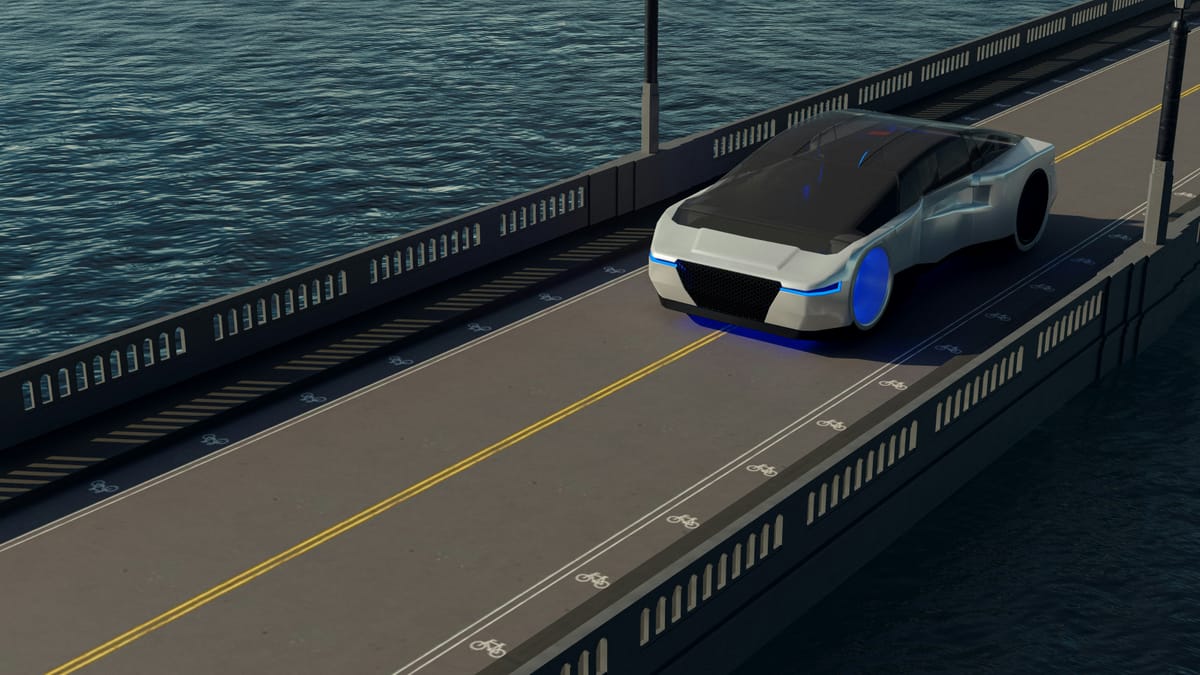
A change is taking place across the world on roads, and its not because of new motorway or faster engines. If you were to ask where most important advances in transport safety are taking place, many people will say stronger materials, better brakes or stricter driving laws. Others may mention electric vehicles or smarter traffic systems. However, another change in the transport world is taking place, it is not the other things I mentioned it’s actually to do with lines of code. Control of the steering wheel is slowly moving away from the human’s hands into the hands of algorithms. This raises the crucial question: can a machine really drive more safely than a human driver?
For over a century, driving has relied on human reaction time. When danger appears, the driver must notice it, understand it, and act. This process takes time, on average, a human reacts to an unexpected event in around one to two seconds. During this delay, a car travelling at a high speed can cover a surprising distance. Reaction time is also inconsistent. Fatigue and distraction can slow a human reaction time.
How do self-driving cars react?
Well instead of eyes and nerves, they use cameras, radar and lidar sensors to collect data about the road. This information is processed by computers that run in a millisecond, far faster than any human brain. When an obstacle is detected, software calculates a response and can apply the brake instantly. Algorithms do not get tired, angry, or distracted by a phone screen or anything else. From a technical point of view, this speed and consistency suggest that a machine could outperform humans in moments where every second matters.
However, speed alone does not ensure safety. Human drivers constantly interpret context. For example, a person might slow down when they see a cyclist behaving unpredictably or anticipating danger when a ball rolls into the road. These judgements rely on experience and intuition rather than precise measurements. Self-driving cars must recreate this ability using pattern recognition. They are trained on vast amounts of driving data so they can recognise common situations. While this works well in familiar conditions, problems arise in unusual scenarios such as roadworks, heavy rain, or unclear markings. In these cases, an algorithm may react quickly but misunderstand what it is seeing.
Mistakes highlight another key difference between humans and machines. Most road accidents today are due to human errors, including speeding, distraction and poor judgment. Removing the human driver could remove many of these causes. A self-driving car will not drive recklessly or ignore any of the rules of the road. Yet a machine can make different errors. A sensor may struggle in low light, or software may misidentify an object. These mistakes are not emotional, but technical, and they depend heavily on the quality of data and programming.
One main advantage of algorithms is their ability to learn skills collectively. Human drivers learn mainly from personal experience, which can take years and often lots of risk. Self driving cars, however, can share information. If one vehicle encounters a problem, the date can be used to improve the system for every other vehicle using the same software. In theory, this means machines can improve faster than humans ever could. A mistake does not need to be repeated thousands of times to be learned from.
Beyond reaction time and error rate lies the issue of ethics. When a human driver causes an accident, responsibility is usually clear. With self driving cars, responsibility becomes uncertain. Is the blame with the passenger, or the manufacturer, or even the programmer who wrote the code. Ethical questions also come in unavoidable accidents. If a crash cannot be prevented, should the car prioritise its passenger or minimise overall harm? Humans make such decisions instinctively, while machines must follow the rules decided well in advance. This turns moral judgements into a computational problem.
So, when an algorithm takes the wheel, are roads becoming safer? The answer is difficult to answer. Algorithms react faster, remain consistent, and can learn from shared experience, but they struggle with unpredictability and raise difficult ethical questions. Humans are much slower and more error-prone, yet they bring understanding and moral responsibility in their decisions. The future of driving may not involve replacing the human driver entirely but combining human judgement with algorithmic precision. As machines take on more control, the real challenge may be deciding how much trust we are willing to place in code.

![Image via [Adobe Stock]](/content/images/size/w600/2026/03/IMG_0874.jpeg)
