The placebo effect - is it real?
What is the placebo effect?
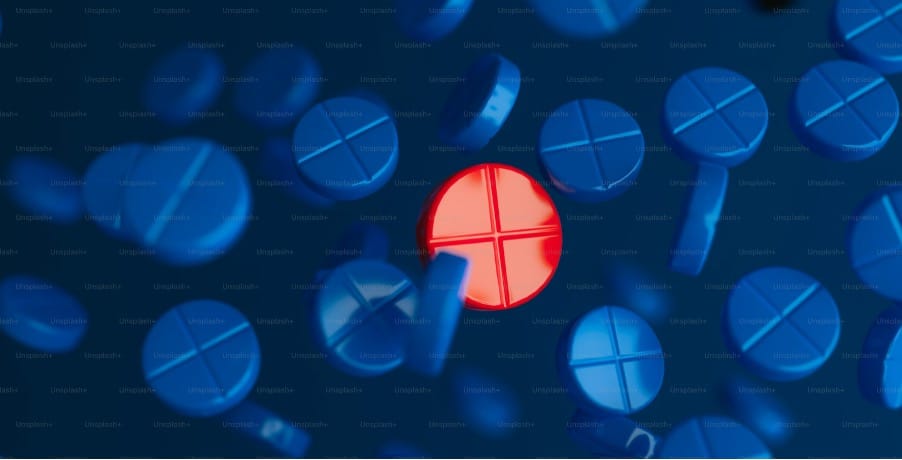
You’ve been clattered by a b-blocker in house master's the day before the crucial cake semi-finals for senior ties football and you think you won't be able to slot in at left back. However, the next day you go to the dame for some ibuprofen before the game and miraculously all the pain seems to go instantly. How does this happen even though ibuprofen is not massively powerful as a pain medication? To understand why the placebo effect works we first need to know what the placebo effect is. The placebo effect is when a person’s physical or mental health appears to improve after taking a placebo or ‘dummy’ treatment. However, it can also extend to situations such as the one I previously mentioned where it works in conjunction with genuine medication to provide an amplified effect of said medication.
How does it work?
The placebo effect is a not just a positive mentality but a neurobiological response to the expectation of being given treatment and the ailment improving because of this treatment. The placebo effect is not fully understood but there are markers of some parts of the process such as the release of endorphins and dopamine (‘feel-good’ neurotransmitters that alleviate stress and are part of the bodies’ in-built reward system) . As stress and anxiety are proven to slow down healing, the placebo effect, through the release of endorphins and dopamine, certainly makes sure that healing cannot be slowed down.
How is it used in clinical trials?
The placebo effect is arguably the most important thing in any clinical trial to get a drug or treatment approved. If the drug does not show significantly better results than the placebo, which could be a sugar pill or injection of saline ( sterile water with a 0.9 % NaCl solution to match the salt levels of human blood and tears) then it cannot be approved by the national regulatory body.
An interesting example is the approval of Kisunla ( donanemab ) on the 23rd of October 2024. This is a drug that slows down the effects of Alzheimer's. The placebo results were specifically used in this trial to understand the incidence of ARIA ( Amyloid – related imaging abnormalities which can be ARIA-edema, temporary brain swelling or ARIA-haemorrhage, multiple small brain bleeds.) ARIA is a symptom of anti-amyloid drugs which are the drugs used to slow down the progression of Alzheimer's as Alzheimer's is primarily caused by the build-up of sticky beta-amyloid proteins forming plaques in between nerve cells, leading to deteriorating brain function.
The results ( 24.1% donanemab vs 11.3% placebo for non-carriers of the apolipoprotein E4 gene) and heterozygotes (37.4% donanemab vs 13.4% placebo) than in homozygotes (58.3% donanemab vs 21.3% placebo) in the trial show that the Placebo treatment was vital for two things, establishing a base line rate of mental deterioration but also a metric to establish whether the increased incidence of ARIA ( 37% increase compared to homozygous on placebo) was too great for the drug to be useful. In the end it was decided that the risk of ARIA for homozygous carriers of the gene was too great and so the drug was licenced for patients with Alzheimer's who are heterozygous or non-carrying of the gene. This conclusion would not have been possible without the patients in the trial on the placebo.

Can the Placebo effect be made more powerful?
There are many ways to make the placebo effect more powerful. Firstly, a strong doctor – patient relationship allows for the patient to have more trust in the doctor and therefore would think the treatment they are receiving would be more effective. This ties into the patients' attitude, the more trust they have in the new drug being developed working, the stronger the effects of the placebo will be.
In terms of a clinical trial, there are two more ways that the placebo can be used to make its effects more powerful: the appearance of the placebo itself and the side effects of the placebo. Research suggests that more pills and the larger the pills are have a larger effect because the human mind imagines that more of the medicine logically means a more powerful effect. Furthermore, whether the pill is branded or not makes a difference as branded pills have been shown to sometimes have a greater effect as people tend to think that branded pills are better and so pay more for them even if there is no difference in the medicine itself. An example of this is that Nurofen can cost £2 more than unbranded ibuprofen.
Finally, the gold standard for clinical trials is not just having a placebo but having a double-blind, placebo- controlled trial. This means that neither the health professional administering the drug nor the patient knows if it is the placebo, meaning that the doctors can give no indication inadvertently to the patients as to whether they are having the placebo meaning the effects are more powerful. However, there can be many downsides to the placebo effect being more powerful. A Harvard health article wrote that due to how large and expensive some trials that happen in the USA , as well as all previously mentioned ways of enhancing the effect, the placebo effect is increased for the patients and therefore it is harder to prove that the drug is effective even if it is.
What is the Nocebo effect?
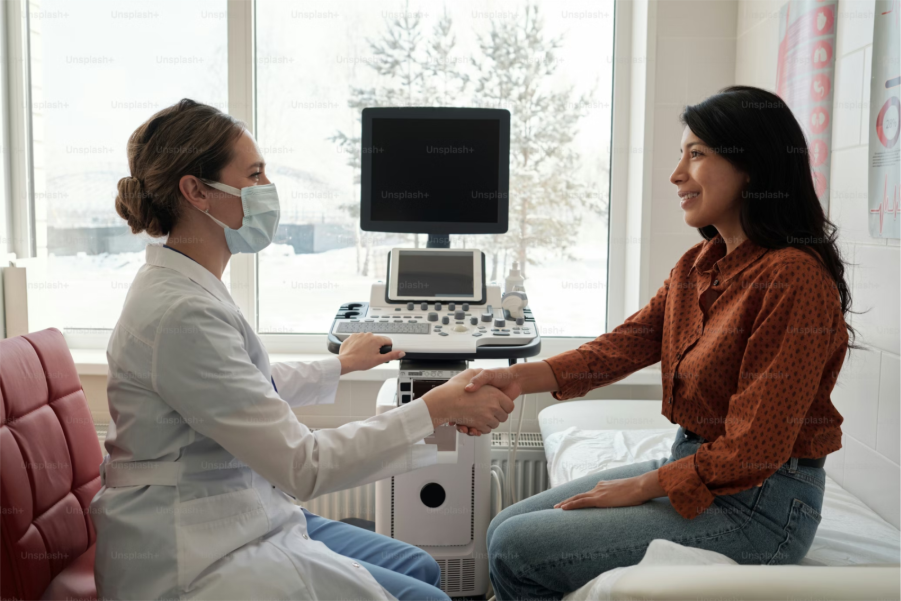
Unfortunately, like Kylian has Ethan Mbappe, the placebo has a much less impressive brother, the Nocebo effect. There is not a huge amount known about it, but it is recognised to be the worsening of health status due to negative expectations of the treatment being received. Similar to the placebo this could be induced by a bad doctor-patient relationship, meaning the patient does not trust the care and treatment being given to themselves so develop bad. It is also induced by the warnings you are given before taking a treatment.
For example, Roaccutane is a drug that many people at Eton will be on for acne and a possible side effect is mental health changes. If the health professional prescribing you the drug focuses heavily on the mental health side effects, the nocebo effect is displayed by a higher chance of feeling these symptoms.
Bibliography
Alzheimer's Association | Alzheimer's Disease & Dementia Help, www.alz.org/getmedia/f5172a80-ef78-4cb4-a4f9-b203fd4c1b49/beta-amyloid_hypothesis_ts.pdf.
"Amyloid‐Related Imaging Abnormalities, ARIAs: Experience of a Single Center in the Context of Clinical Trials with Anti‐Amyloid Antibodies." PMC Home, pmc.ncbi.nlm.nih.gov/articles/PMC12740819/#:~:text=Amyloid%E2%80%90related%20imaging%20abnormaliAs,asymptomatically%20or%20with%20mild%20symptoms.ties%20(ARI.
"Donanemab Licensed for Early Stages of Alzheimer’s Disease in Adult Patients Who Have One or No Copies of Apolipoprotein E4 Gene." GOV.UK, 23 Oct. 2024, www.gov.uk/government/news/donanemab-licensed-for-early-stages-of-alzheimers-disease-in-adult-patients-who-have-one-or-no-copies-of-apolipoprotein-e4-gene.
"Donanemab Licensed for Early Stages of Alzheimer’s Disease in Adult Patients Who Have One or No Copies of Apolipoprotein E4 Gene." GOV.UK, 23 Oct. 2024, www.gov.uk/government/news/donanemab-licensed-for-early-stages-of-alzheimers-disease-in-adult-patients-who-have-one-or-no-copies-of-apolipoprotein-e4-gene.
"Donanemab Licensed for Early Stages of Alzheimer’s Disease in Adult Patients Who Have One or No Copies of Apolipoprotein E4 Gene." GOV.UK, 23 Oct. 2024, www.gov.uk/government/news/donanemab-licensed-for-early-stages-of-alzheimers-disease-in-adult-patients-who-have-one-or-no-copies-of-apolipoprotein-e4-gene.
"Dopamine: What It Is, Function & Symptoms." Cleveland Clinic, 6 Sept. 2023, my.clevelandclinic.org/health/articles/22581-dopamine.
"Endorphins: The “Feel Good” Chemicals for Well-Being." MedPark Hospital, 22 Oct. 2025, www.medparkhospital.com/en-US/lifestyles/endorphins.
"Just a Moment..." Just a Moment.., www.physio-pedia.com/Nocebo_Effect.
"Just a Moment..." Just a Moment.., www.weldricks.co.uk/guides/nurofen-vs-ibuprofen-whats-the-difference.
"King's College London - Stress Causes Wounds to Heal More Slowly." King's College London, www.kcl.ac.uk/archive/news/ioppn/records/2010/06june/stresscauseswoundstohealmoreslowly.
"The Placebo Effect, Digested." BPS, 11 Mar. 2019, www.bps.org.uk/research-digest/placebo-effect-digested.
"The Placebo Effect: Amazing and Real." Harvard Health, 22 June 2020, www.health.harvard.edu/blog/the-placebo-effect-amazing-and-real-201511028544.
"Placebo Effect." Better Health Channel | Better Health Channel, www.betterhealth.vic.gov.au/health/conditionsandtreatments/placebo-effect.
"Placebo Effect." Better Health Channel | Better Health Channel, www.betterhealth.vic.gov.au/health/conditionsandtreatments/placebo-effect.
"Placebo-Controlled Trials." Massachusetts General Hospital, www.massgeneral.org/neurology/als/research/placebo-trials.
"The Power of the Placebo Effect." Harvard Health, 22 July 2024, www.health.harvard.edu/newsletter_article/the-power-of-the-placebo-effect.
"Saline (medicine)." Wikipedia, the Free Encyclopedia, Wikimedia Foundation, Inc, 12 Feb. 2026, en.wikipedia.org/wiki/Saline_(medicine). Accessed 22 Feb. 2026.
"Side Effects of Isotretinoin Capsules." Nhs.uk, 1 Mar. 2022, www.nhs.uk/medicines/isotretinoin-capsules/side-effects-of-isotretinoin-capsules/.
"The Strange Psychology of Pain Relief Medicine." BBC News, 15 Dec. 2015, www.bbc.co.uk/news/magazine-35091242.

![Image via [Adobe Stock]](/content/images/size/w600/2026/03/IMG_0874.jpeg)